Parables Coloring Pages — Free Printable Jesus Parables
Free parable coloring pages featuring 40 parables of Jesus — Good Samaritan, Prodigal Son, Lost Sheep, Mustard Seed, Talents, Sower, and more.
Stories & characters
All pages in this collection
Wedding Feast Parable Coloring Page for Adults
6 pages · free printable
Wedding Feast Parable Coloring Page Sunday School
6 pages · free printable
Wedding Feast Parable Coloring Page for Kids
6 pages · free printable
Hidden Treasure Parable Coloring Page Sunday School
6 pages · free printable
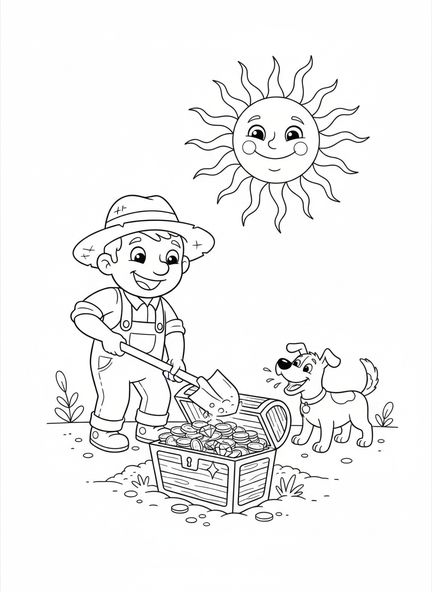
Hidden Treasure Parable Coloring Page for Kids
6 pages · free printable

Foolish Builder Sand Coloring Page for Toddlers
6 pages · free printable
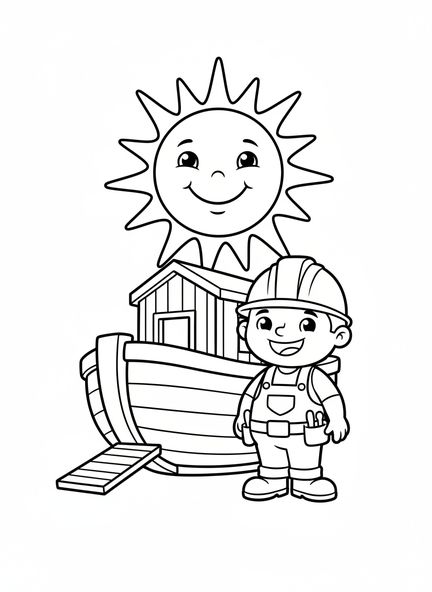
Foolish Builder Sand Coloring Page for Preschoolers
6 pages · free printable
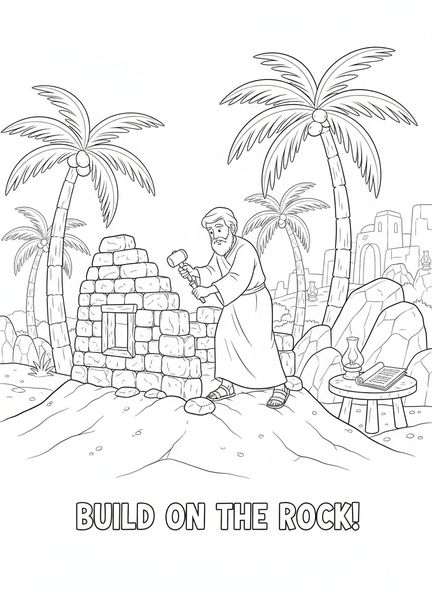
Foolish Builder Sand Coloring Page for Sunday School
6 pages · free printable
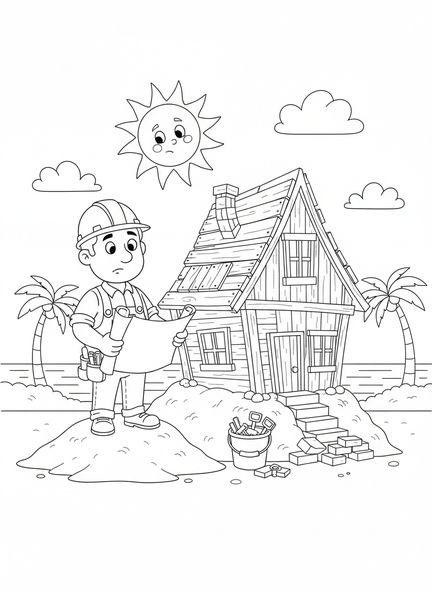
Foolish Builder Sand Coloring Page for Kids
6 pages · free printable

Mustard Seed Growth Tree Coloring Page for Preschoolers
6 pages · free printable
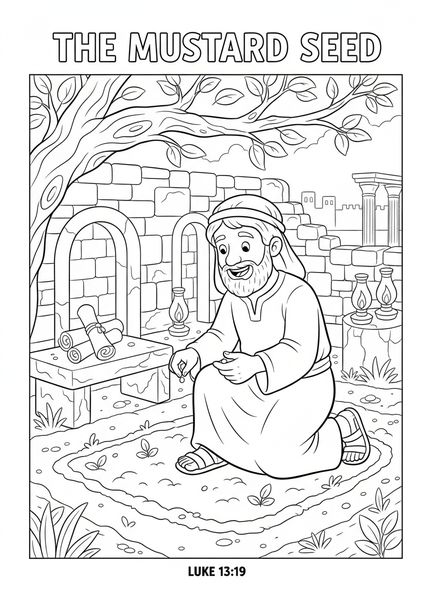
Mustard Seed Growth Tree Coloring Page for Sunday School
6 pages · free printable
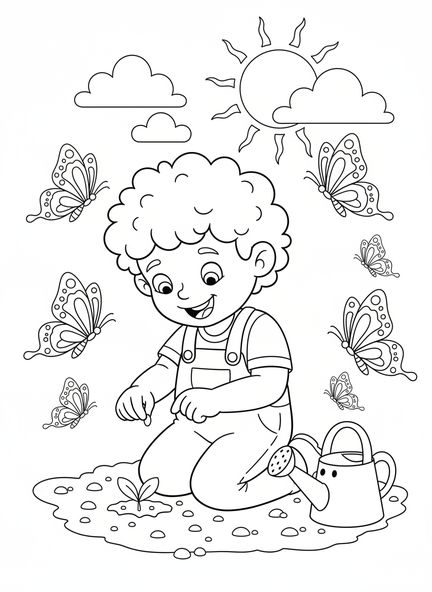
Mustard Seed Growth Tree Coloring Page for Kids
6 pages · free printable
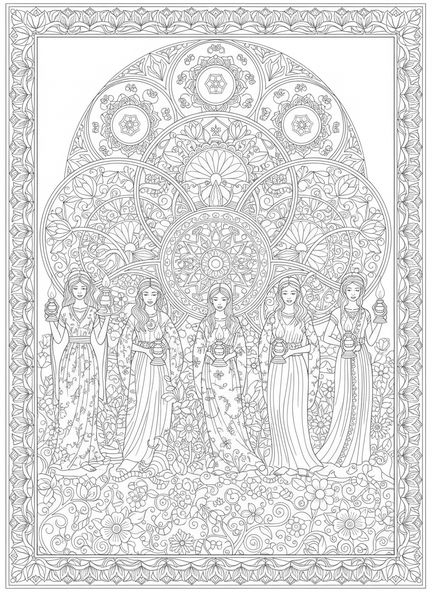
Parable Ten Virgins Lamps Coloring Page for Adults
6 pages · free printable
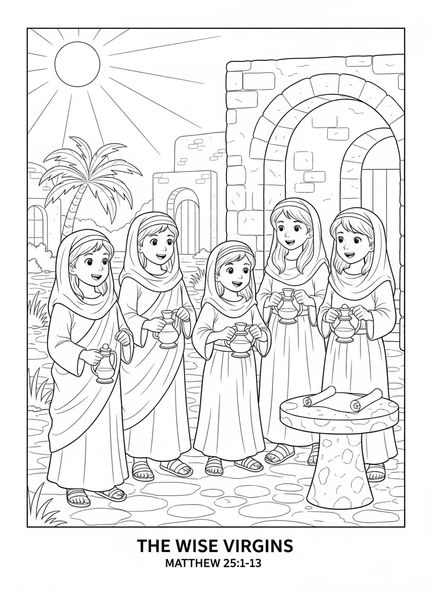
Parable Ten Virgins Lamps Coloring Page Sunday School
6 pages · free printable
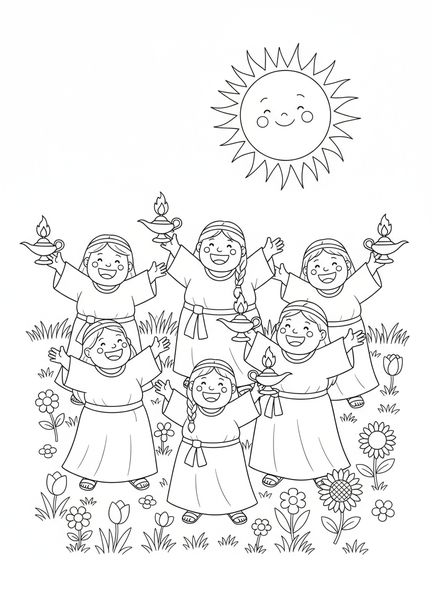
Parable Ten Virgins Lamps Coloring Page for Kids
6 pages · free printable

Two Builders House Rock Coloring Page for Toddlers
6 pages · free printable
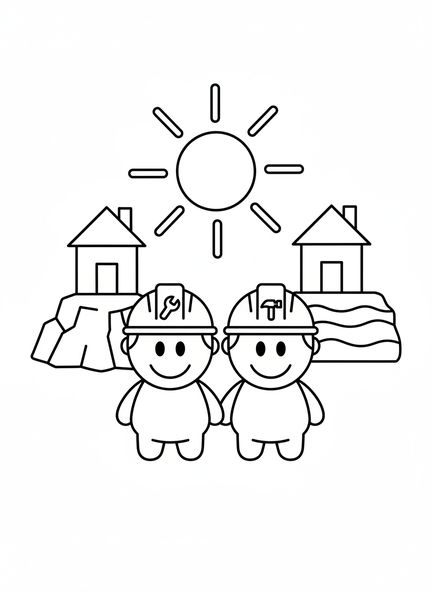
Two Builders House Rock Coloring Page for Preschoolers
6 pages · free printable
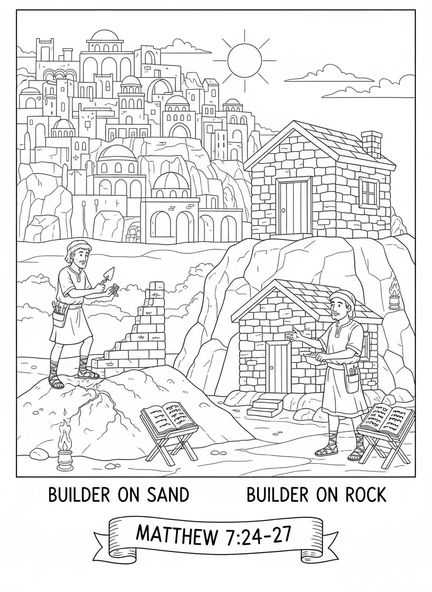
Two Builders House Rock Coloring Page for Sunday School
6 pages · free printable
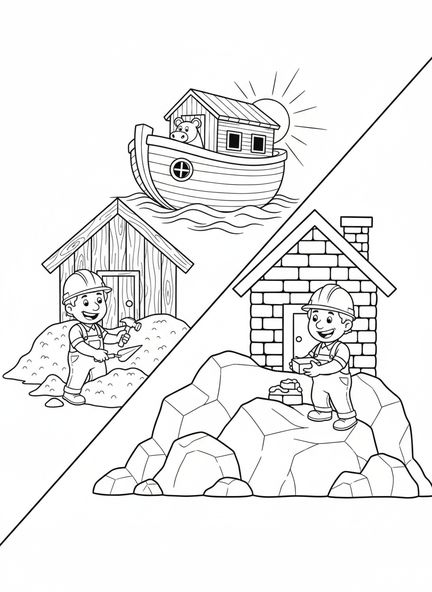
Two Builders House Rock Coloring Page for Kids
6 pages · free printable
Parable Talents Servants Coloring Page for Adults
6 pages · free printable
Parable Talents Servants Coloring Page Sunday School
6 pages · free printable
Parable Talents Servants Coloring Page for Kids
6 pages · free printable
Shrewd Manager Coloring Page for Adults
6 pages · free printable
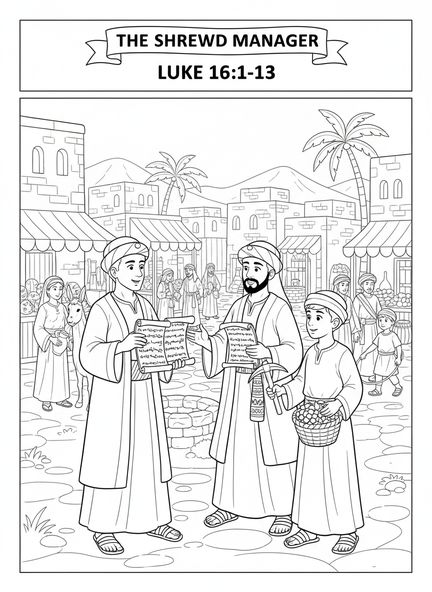
Shrewd Manager Coloring Page Sunday School
6 pages · free printable
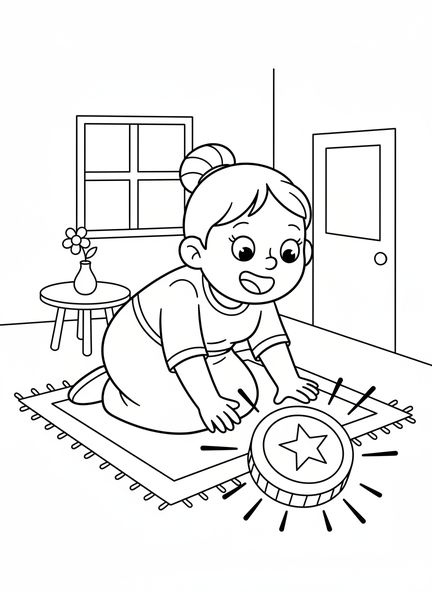
Lost Coin Coloring Page for Preschoolers
6 pages · free printable
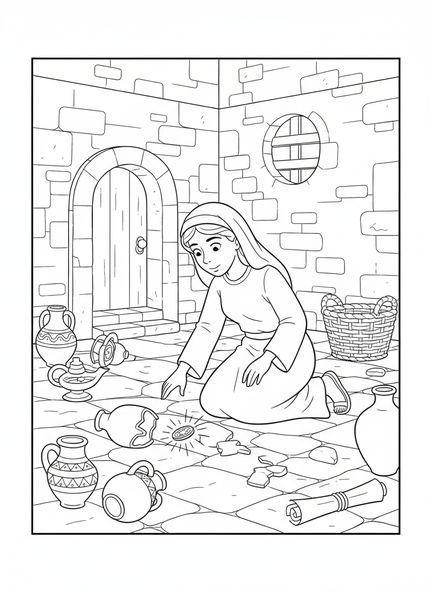
Lost Coin Coloring Page Sunday School
6 pages · free printable
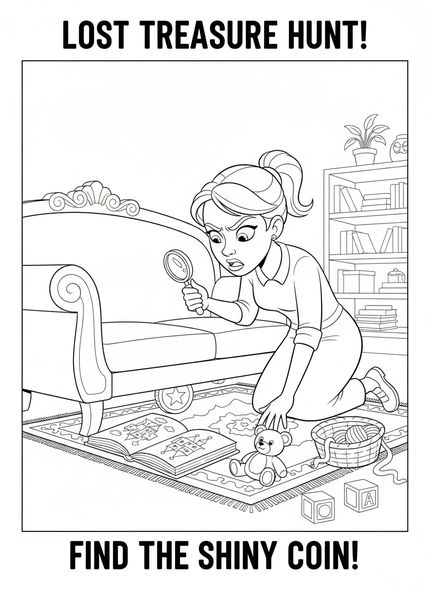
Lost Coin Coloring Page for Kids
6 pages · free printable
Fig Tree Parable Coloring Page for Adults
6 pages · free printable
Fig Tree Parable Coloring Page Sunday School
6 pages · free printable
Fig Tree Parable Coloring Page for Kids
6 pages · free printable
Net Of Fish Coloring Page for Adults
6 pages · free printable
Net of Fish Coloring Page Sunday School
6 pages · free printable
Net Of Fish Coloring Page for Kids
6 pages · free printable
Leaven In Flour Coloring Page for Adults
6 pages · free printable
Leaven In Flour Coloring Page Sunday School
6 pages · free printable
Leaven In Flour Coloring Page for Kids
6 pages · free printable
Treasure In Field Coloring Page for Adults
6 pages · free printable
Treasure In Field Coloring Page Sunday School
6 pages · free printable
Treasure In Field Coloring Page for Kids
6 pages · free printable
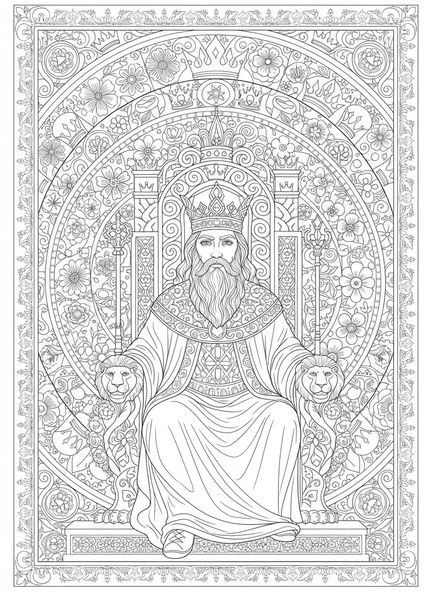
Good King Coloring Page for Adults
6 pages · free printable
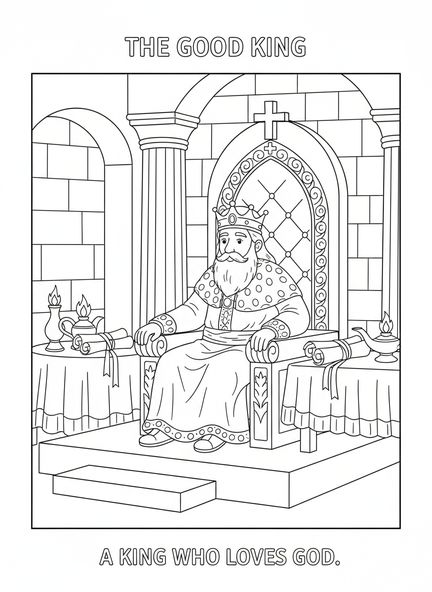
Good King Coloring Page Sunday School
6 pages · free printable
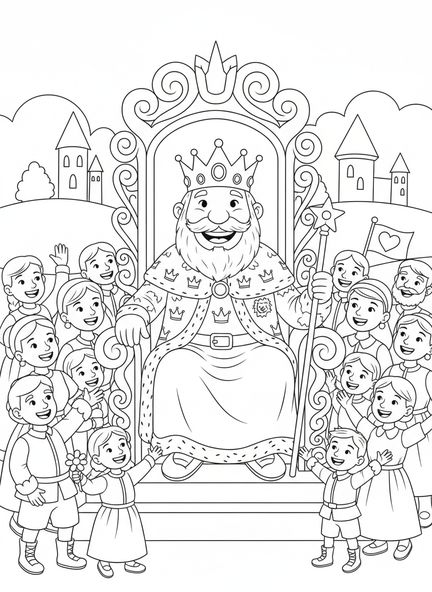
Good King Coloring Page for Kids
6 pages · free printable
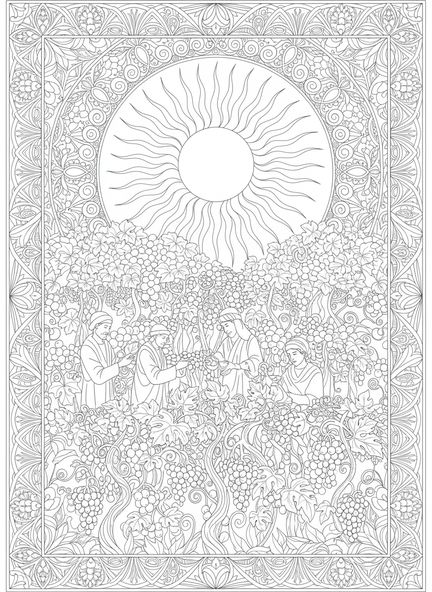
Workers In Vineyard Coloring Page for Adults
6 pages · free printable
Workers In Vineyard Coloring Page Sunday School
6 pages · free printable
Workers In Vineyard Coloring Page for Kids
6 pages · free printable
Unforgiving Servant Coloring Page for Adults
6 pages · free printable
Unforgiving Servant Coloring Page for Sunday School
6 pages · free printable
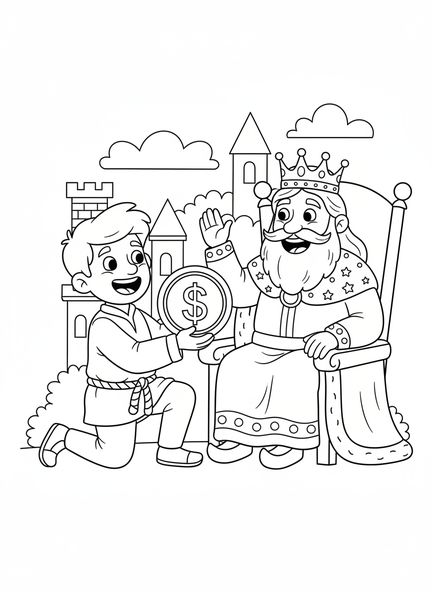
Unforgiving Servant Coloring Page for Kids
6 pages · free printable
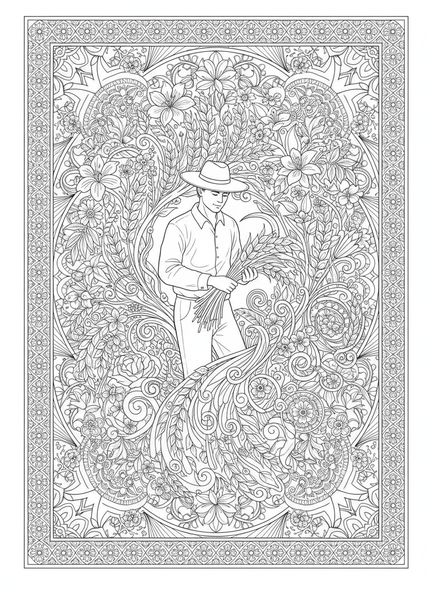
Wheat And Tares Coloring Page for Adults
6 pages · free printable
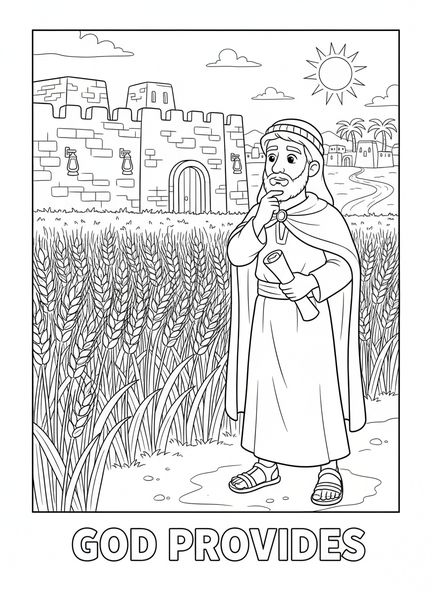
Wheat And Tares Coloring Page Sunday School
6 pages · free printable
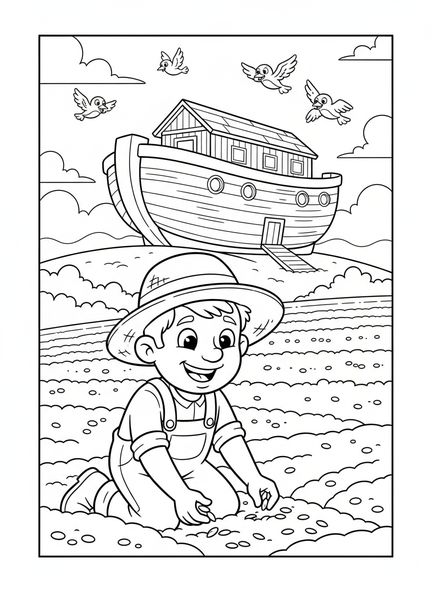
Wheat And Tares Coloring Page for Kids
6 pages · free printable
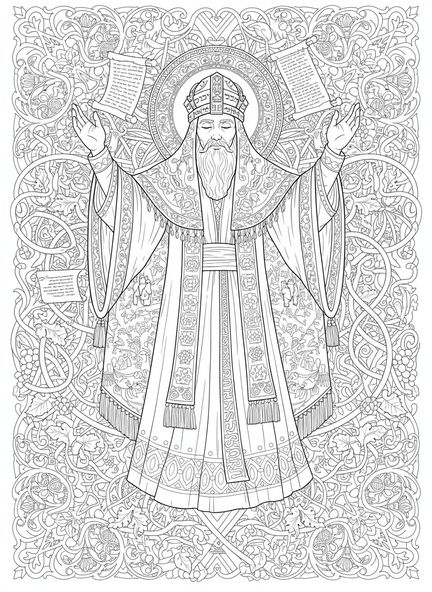
Pharisee And Tax Collector Coloring Page for Adults
6 pages · free printable
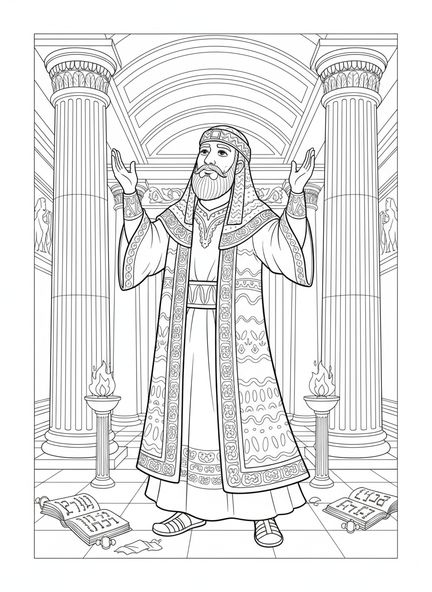
Pharisee And Tax Collector Coloring Page Sunday School
6 pages · free printable
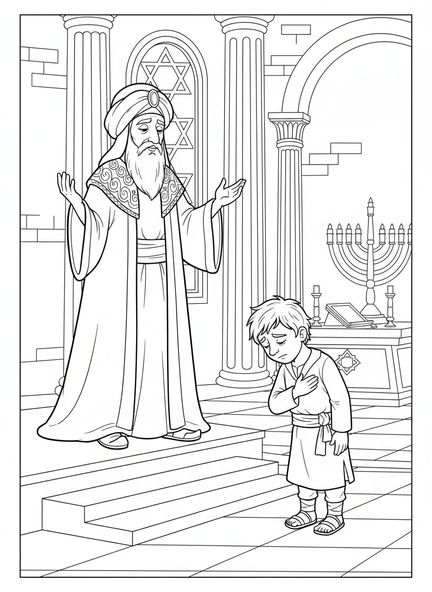
Pharisee And Tax Collector Coloring Page for Kids
6 pages · free printable
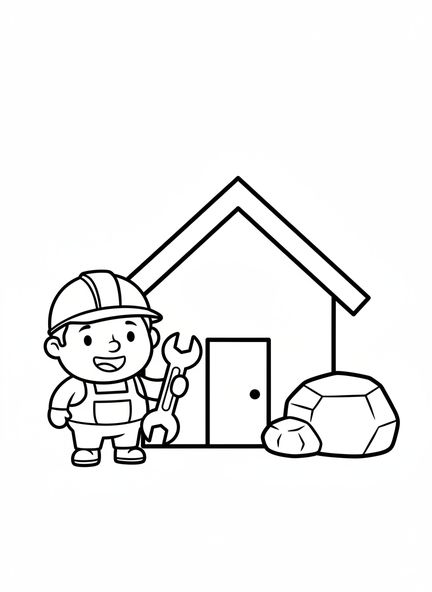
Wise and Foolish Builders Coloring Page for Preschoolers
6 pages · free printable
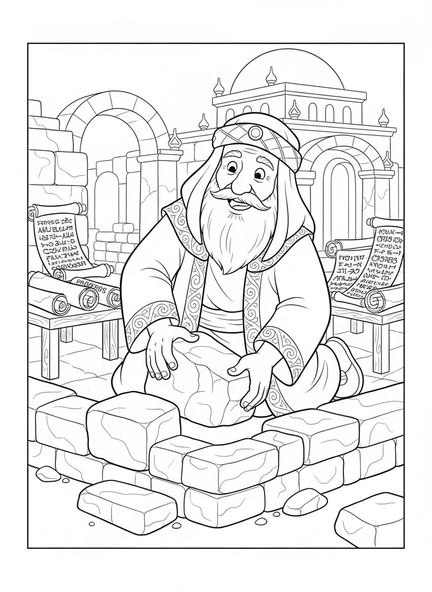
Wise And Foolish Builders Coloring Page for Sunday School
6 pages · free printable
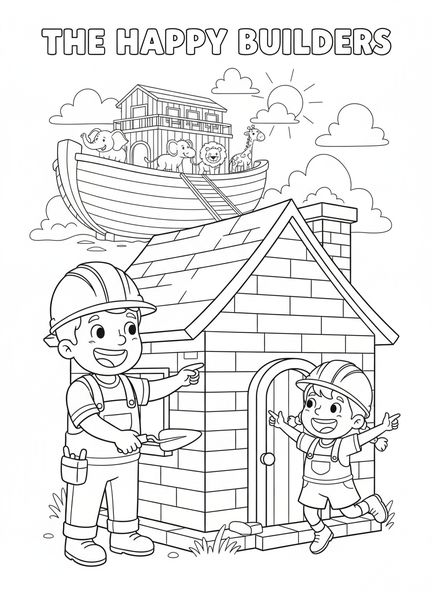
Wise And Foolish Builders Coloring Page for Kids
6 pages · free printable
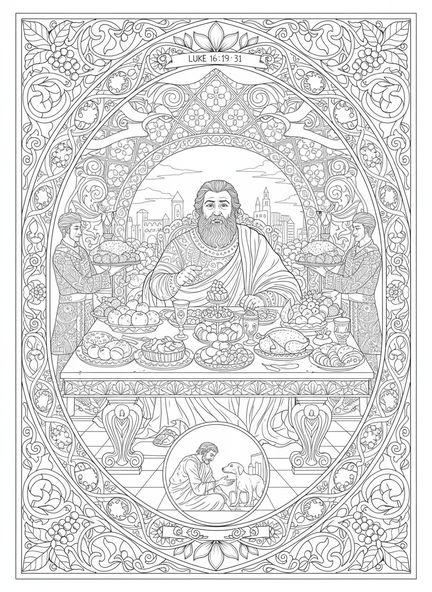
Rich Man And Lazarus Coloring Page for Adults
6 pages · free printable
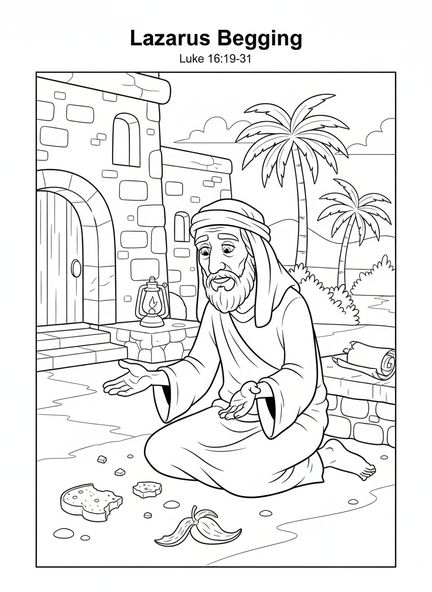
Rich Man And Lazarus Coloring Page Sunday School
6 pages · free printable
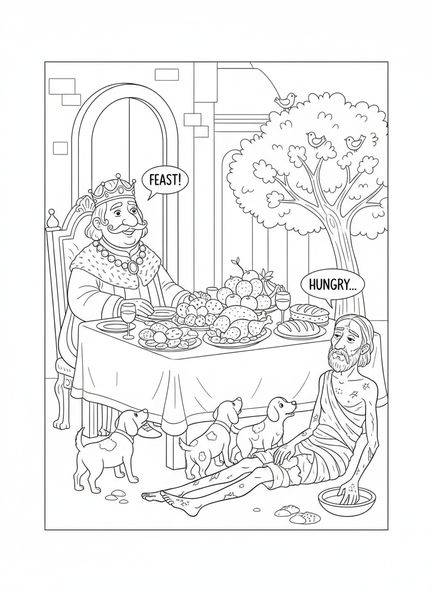
Rich Man And Lazarus Coloring Page for Kids
6 pages · free printable
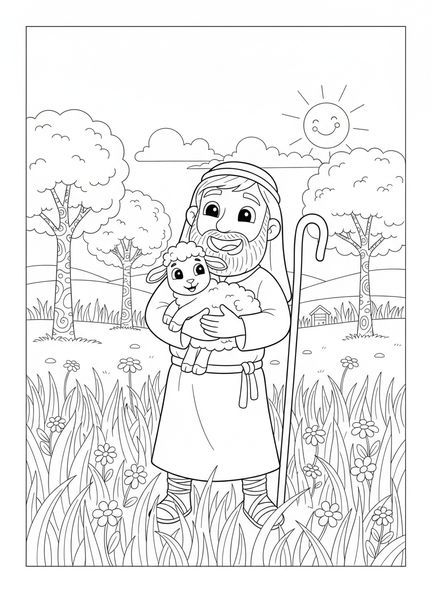
Lost Sheep Shepherd Rejoicing Coloring Page for Kids
5 pages · free printable
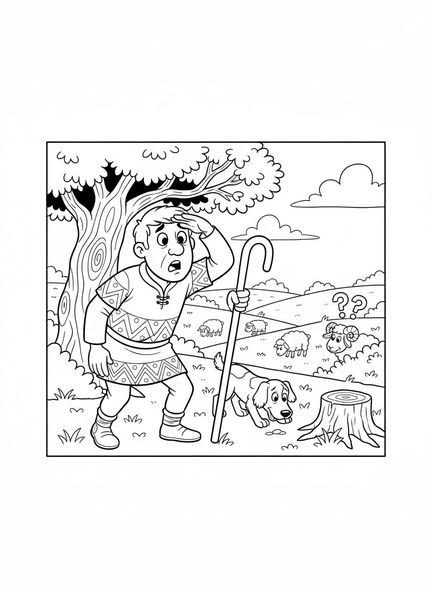
Lost Sheep Shepherd Finding One Lost Coloring Page for Kids
6 pages · free printable
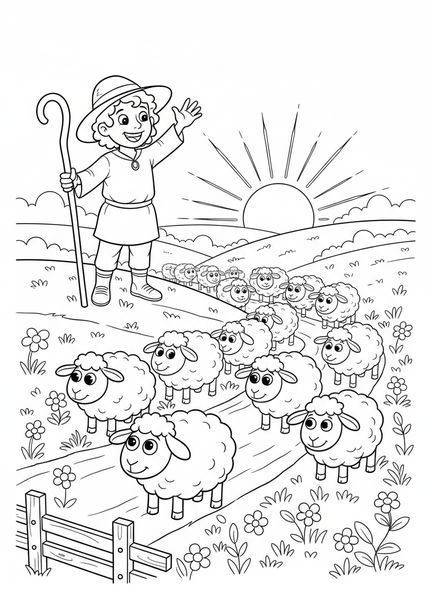
Lost Sheep Shepherd Leaving 99 Coloring Page for Kids
6 pages · free printable
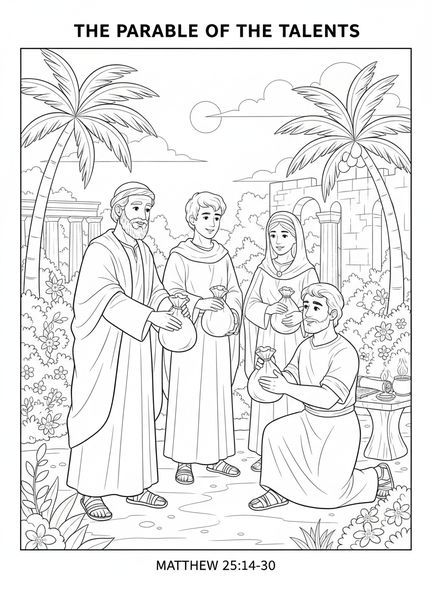
Parable of the Talents Coloring Page for Sunday School
6 pages · free printable

Lost Sheep Coloring Page for Toddlers
5 pages · free printable
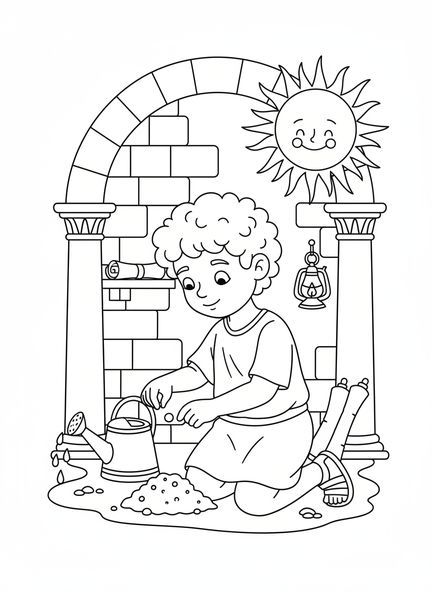
Mustard Seed Coloring Page for Sunday School
4 pages · free printable
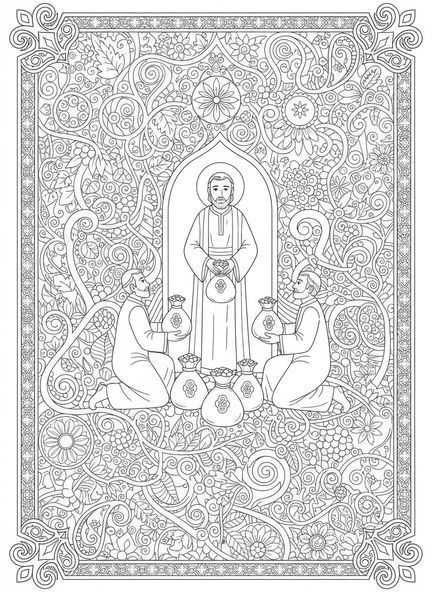
Parable of the Talents Coloring Page for Adults
5 pages · free printable
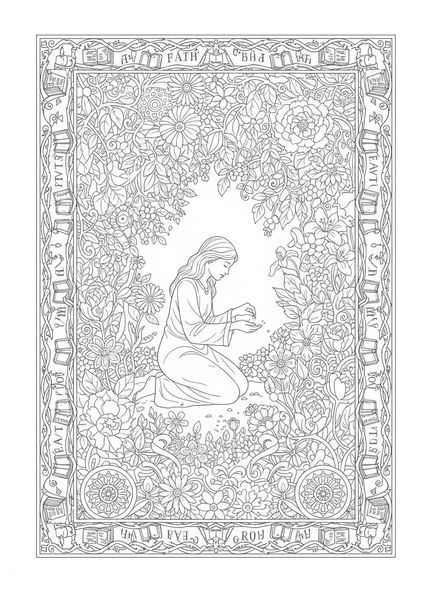
Mustard Seed Coloring Page for Adults
5 pages · free printable
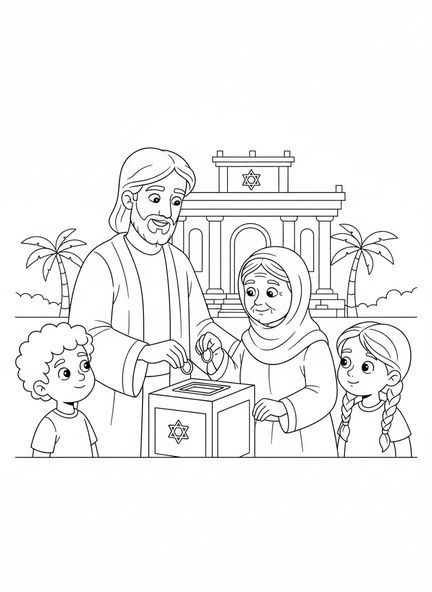
Widow's Mite Coloring Page for Kids
5 pages · free printable
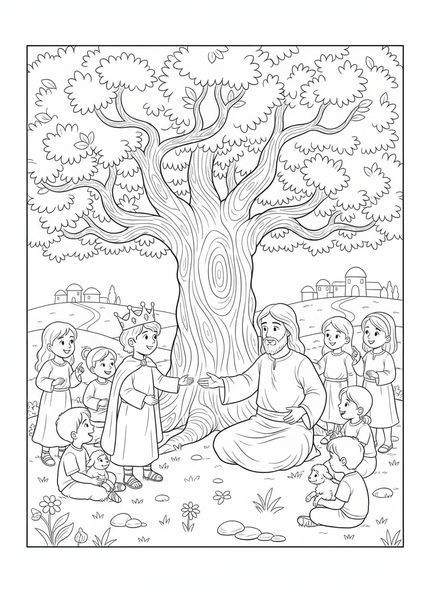
Rich Young Ruler Coloring Page for Kids
6 pages · free printable
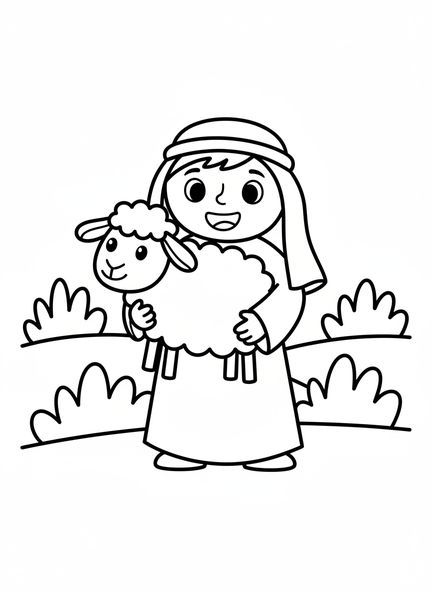
Lost Sheep Coloring Page for Preschoolers
6 pages · free printable
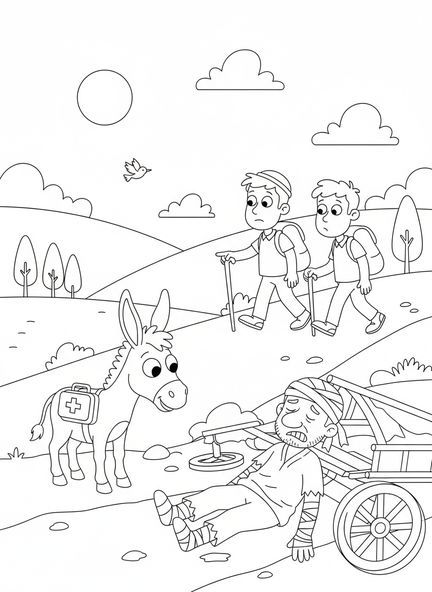
Good Samaritan Samaritan At Inn Coloring Page for Kids
4 pages · free printable
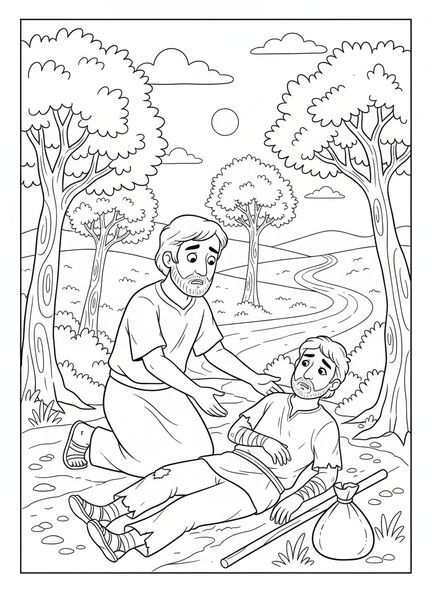
Good Samaritan Samaritan Helping Injured Man Coloring Page for Kids
6 pages · free printable
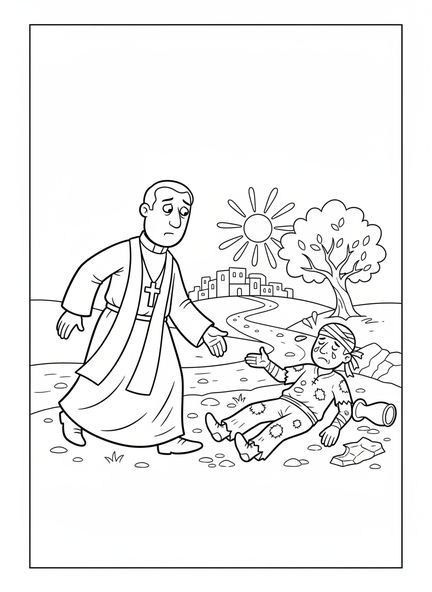
Good Samaritan Priest And Levite Pass By Coloring Page for Kids
4 pages · free printable
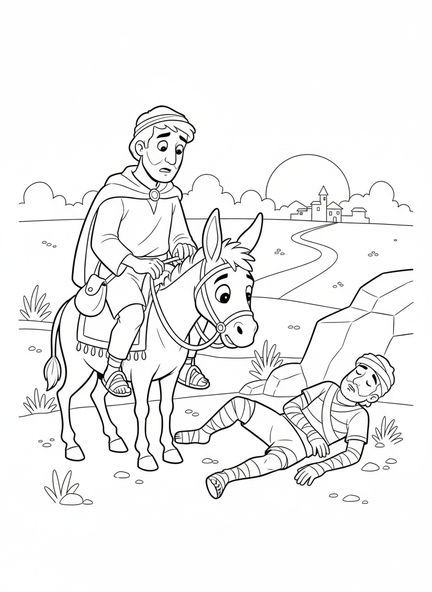
Good Samaritan Injured Man On Road Coloring Page for Kids
4 pages · free printable
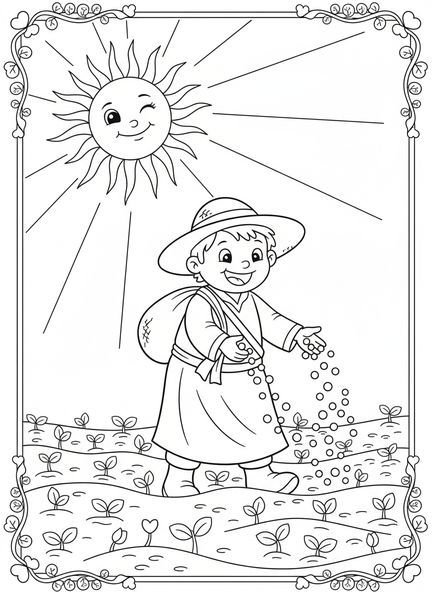
Parable of the Sower Seed on Good Soil Coloring Page for Kids
6 pages · free printable
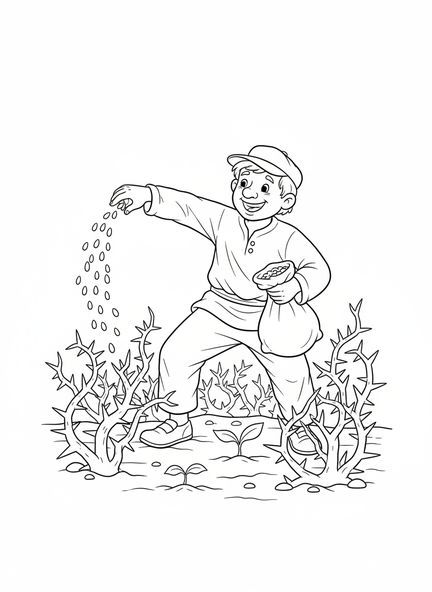
Parable of the Sower Seed Among Thorns Coloring Page for Kids
5 pages · free printable
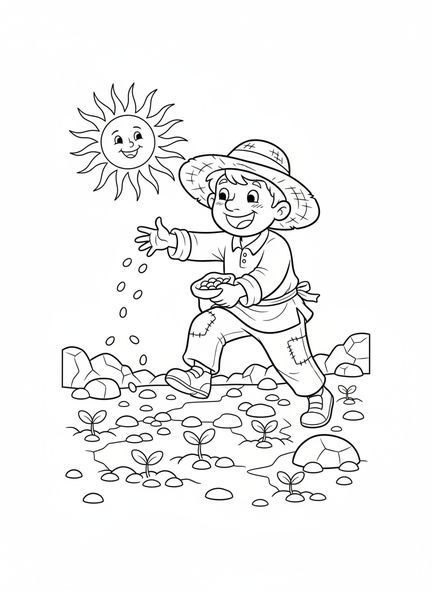
Parable Of The Sower Seed On Rocky Soil Coloring Page for Kids
4 pages · free printable
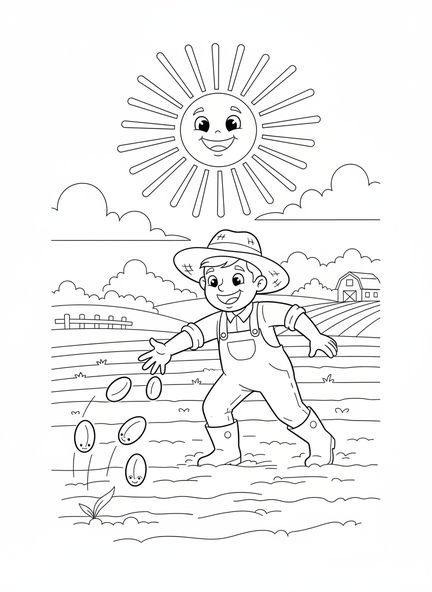
Parable Of The Sower Farmer Sowing Seed Coloring Page for Kids
6 pages · free printable

Good Samaritan Coloring Page for Toddlers
6 pages · free printable
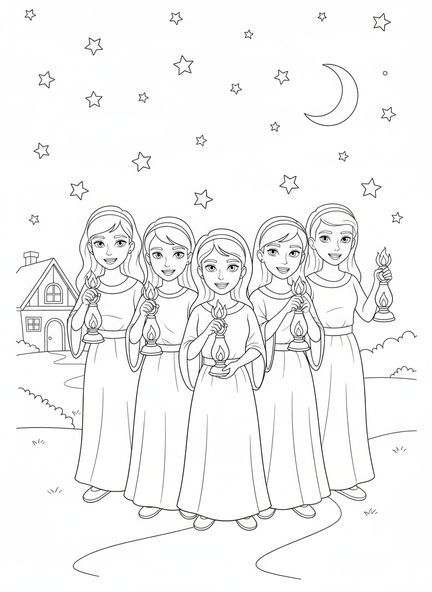
Parable of Ten Virgins Coloring Page for Kids
3 pages · free printable

Parable Of The Sower Coloring Page For Toddlers
4 pages · free printable
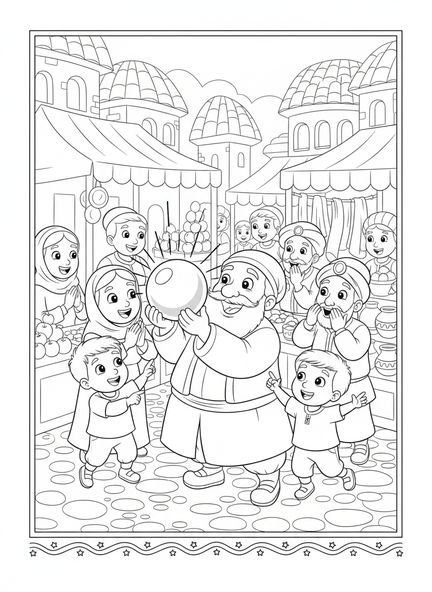
Pearl of Great Price Coloring Page for Kids
3 pages · free printable
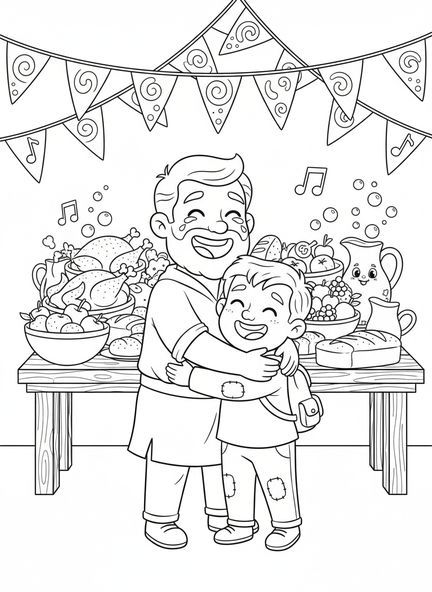
Prodigal Son Celebration Feast Coloring Page for Kids
6 pages · free printable

Prodigal Son Father Embracing Son Coloring Page for Kids
5 pages · free printable
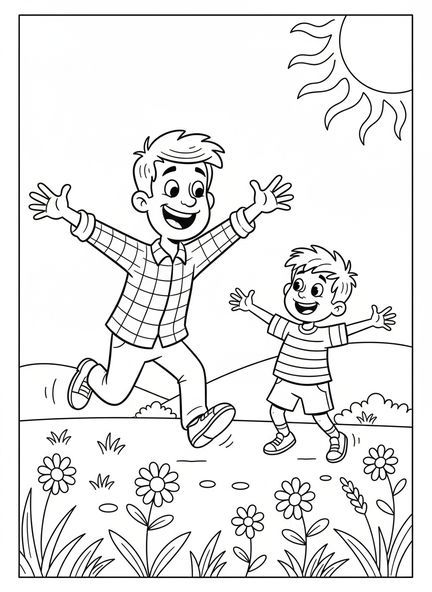
Prodigal Son Father Running To Meet Son Coloring Page for Kids
3 pages · free printable
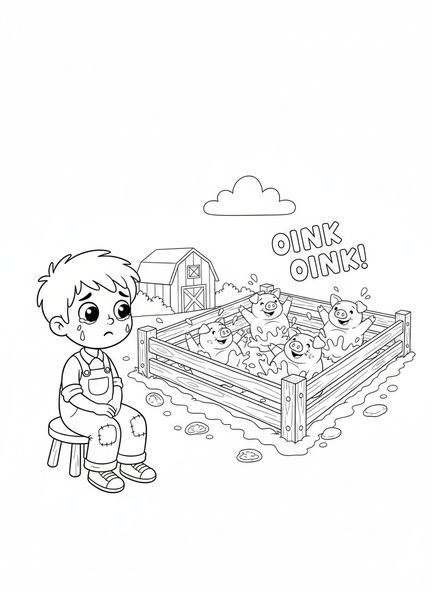
Prodigal Son Son Feeding Pigs Coloring Page for Kids
6 pages · free printable
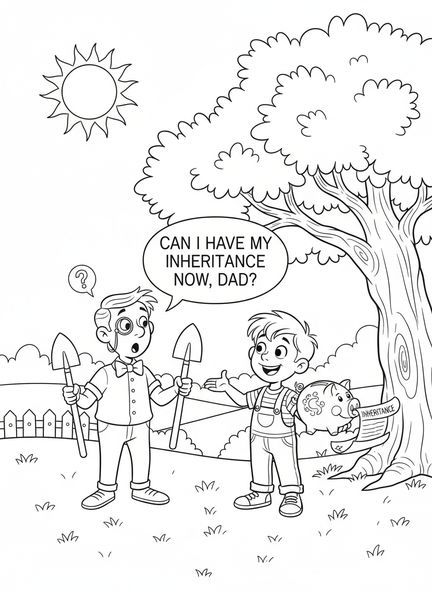
Prodigal Son Son Asking For Inheritance Coloring Page for Kids
5 pages · free printable
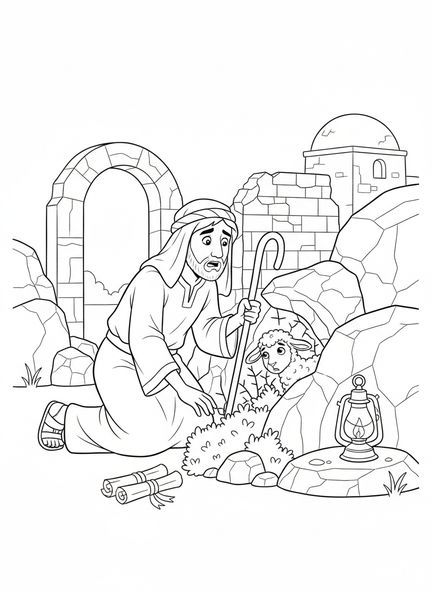
Lost Sheep Coloring Page for Sunday School
6 pages · free printable
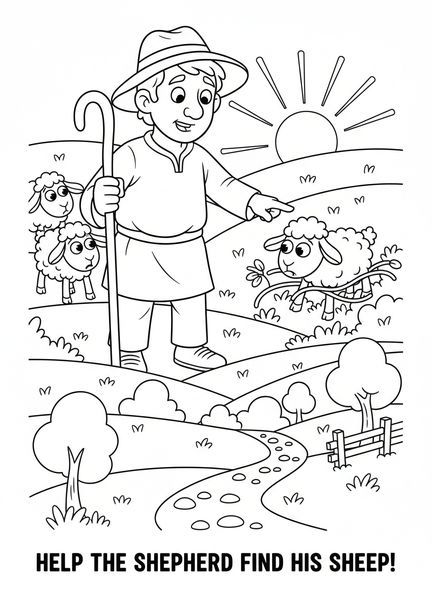
Good Shepherd Shepherd Searching For Lost Sheep Coloring Page for Kids
6 pages · free printable
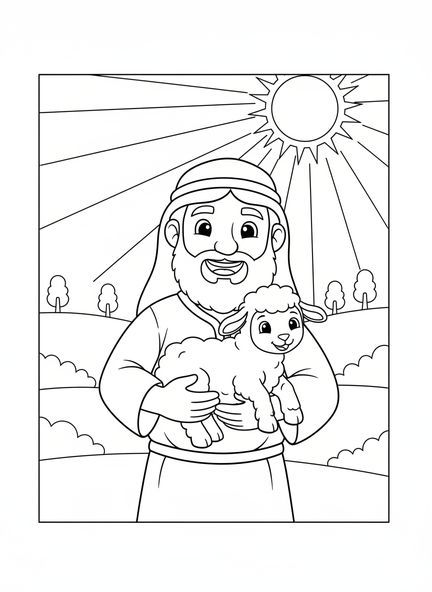
Good Shepherd Shepherd Carrying Lamb Coloring Page for Kids
3 pages · free printable
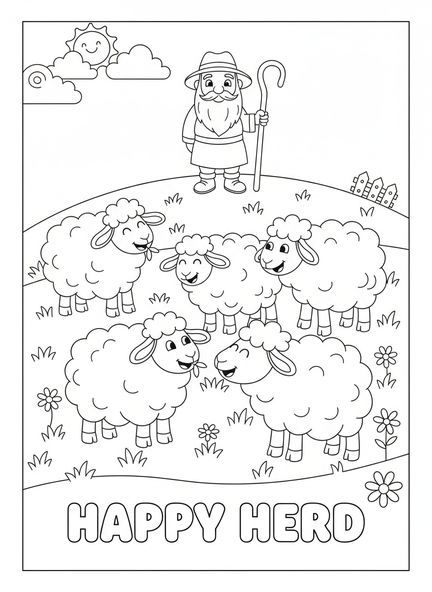
Good Shepherd Shepherd With Flock Coloring Page for Kids
3 pages · free printable

Prodigal Son Coloring Page for Toddlers
4 pages · free printable

Good Shepherd Coloring Page for Toddlers
5 pages · free printable
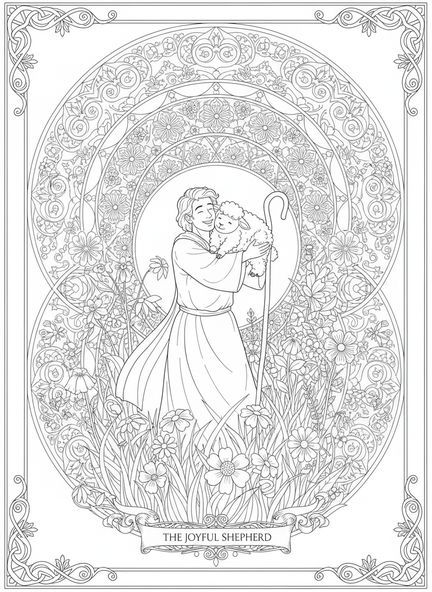
Lost Sheep Coloring Page for Adults
5 pages · free printable
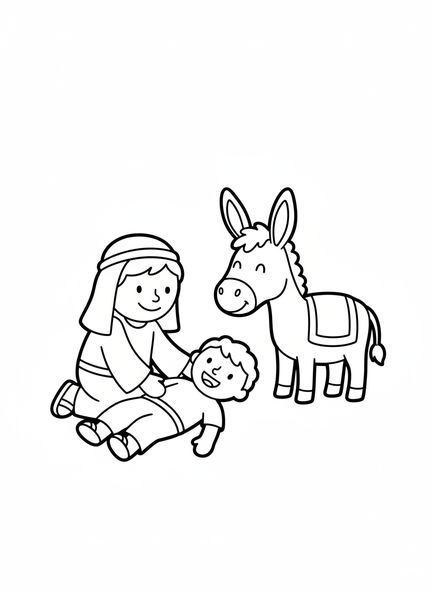
Good Samaritan Coloring Page for Preschoolers
3 pages · free printable
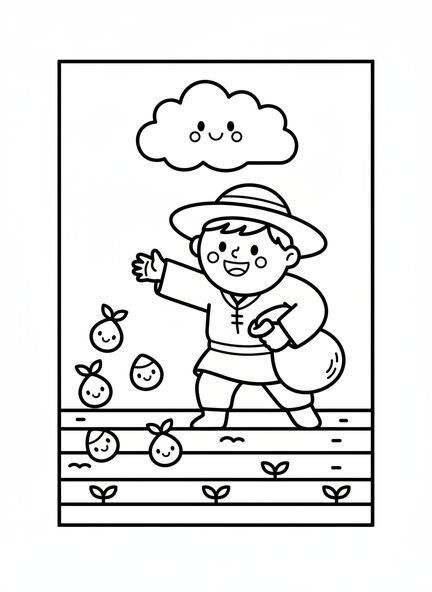
Parable Of The Sower Coloring Page for Preschoolers
4 pages · free printable
Parable of the Talents Coloring Page for Kids
5 pages · free printable
Mustard Seed Coloring Page for Kids
5 pages · free printable
Prodigal Son Coloring Page for Preschoolers
4 pages · free printable
Good Samaritan Coloring Page for Sunday School
5 pages · free printable
Good Shepherd Coloring Page for Preschoolers
3 pages · free printable
Parable Of The Sower Coloring Page for Sunday School
6 pages · free printable
Good Samaritan Coloring Page for Adults
6 pages · free printable
Parable Of The Sower Coloring Page for Adults
6 pages · free printable
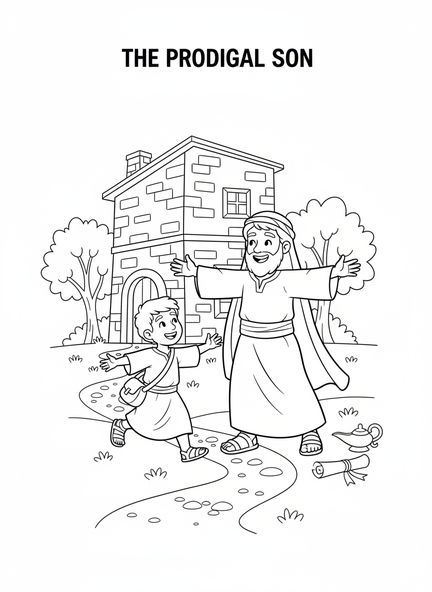
Prodigal Son Coloring Page for Sunday School
6 pages · free printable
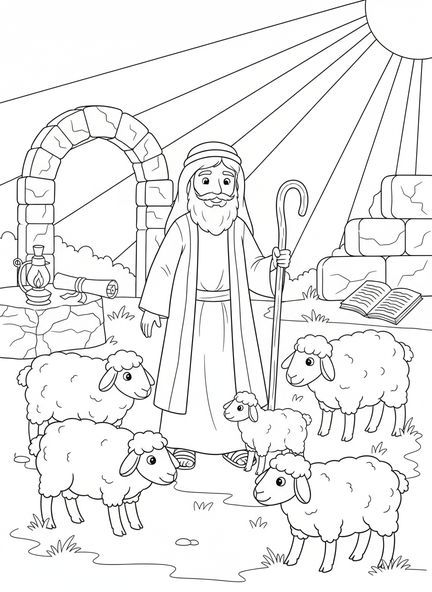
Good Shepherd Coloring Page for Sunday School
6 pages · free printable
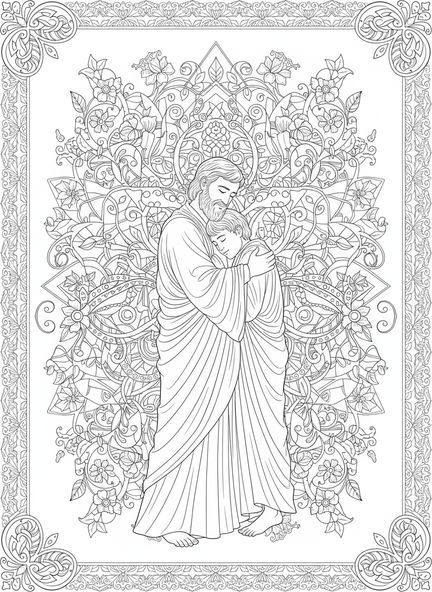
Prodigal Son Coloring Page for Adults
6 pages · free printable
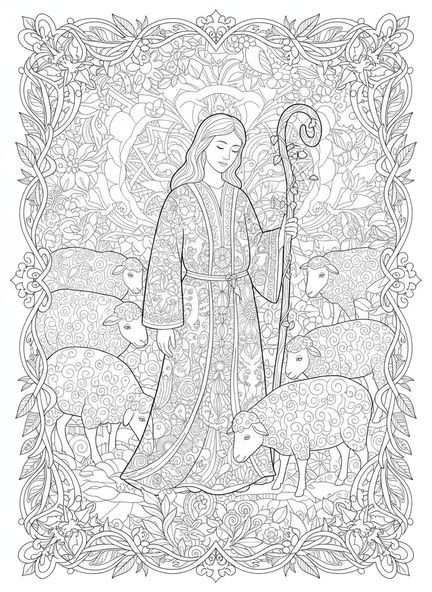
Good Shepherd Coloring Page for Adults
6 pages · free printable
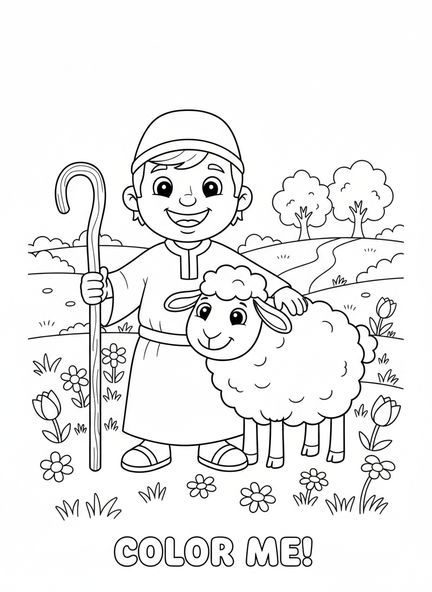
Lost Sheep Coloring Page for Kids
6 pages · free printable
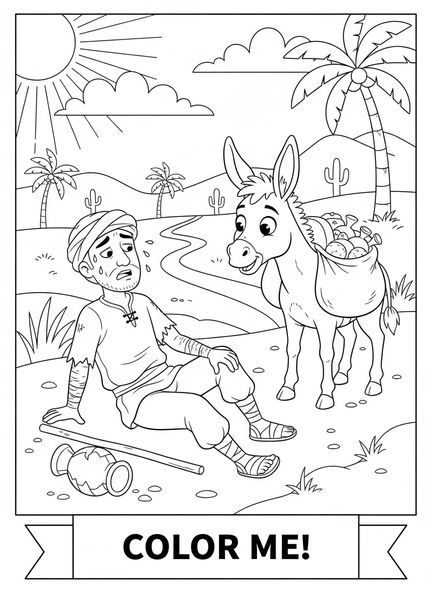
Good Samaritan Coloring Page for Kids
6 pages · free printable
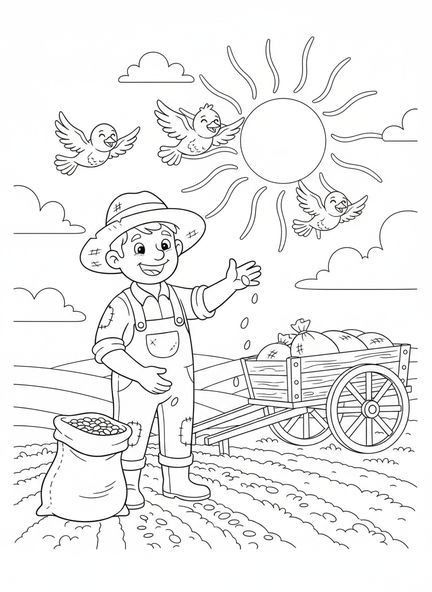
Parable Of The Sower Coloring Page for Kids
6 pages · free printable
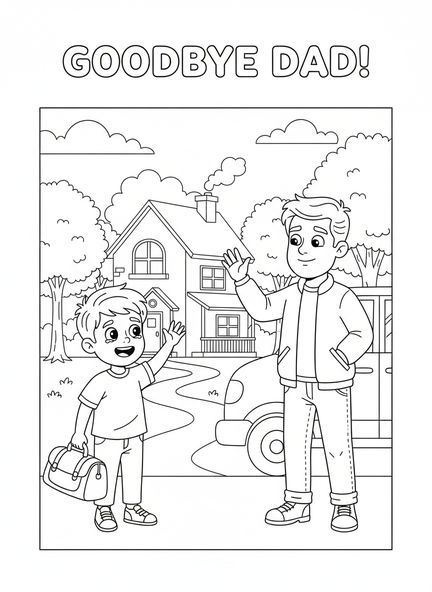
Prodigal Son Coloring Page for Kids
6 pages · free printable
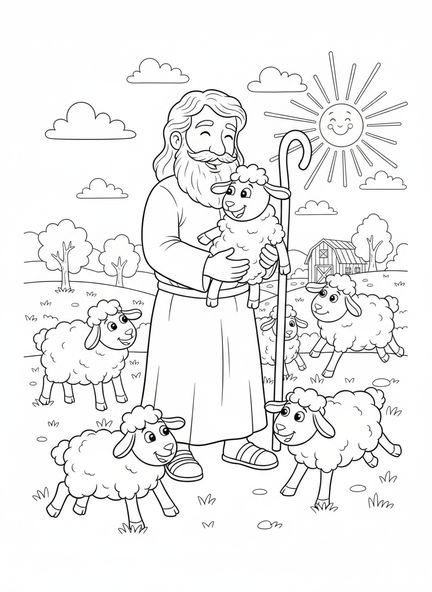
Good Shepherd Coloring Page for Kids
6 pages · free printable
Frequently Asked Questions
Are these Bible coloring pages really free?+
Yes — every Bible coloring page on this site is completely free to download, print, and use for personal, classroom, homeschool, and church purposes. No subscription, no email signup, no watermarks.
What format do I download?+
Each coloring page is available as a high-resolution PNG (2000×2000 pixels, A4 print-ready) and viewable on the page as a WebP image. Click the Download button to save the PNG to your device, or use the Print button to print directly from your browser.
Can I use these coloring pages in my church or Sunday school?+
Absolutely. Our free license permits classroom, Sunday school, VBS, and church-bulletin use, including making multiple copies for your students. The only restriction is that you may not resell or include them in a paid product.
Which age groups are these pages for?+
We offer variants for toddlers (ages 2–4), preschool (3–5), kindergarten (5–6), elementary kids (6–10), teens (11–17), and adults. Each leaf page is clearly labeled for an age range, with simpler or more detailed line art accordingly.
How often do you add new coloring pages?+
We publish new Bible coloring pages weekly, with seasonal collections (Christmas, Easter, VBS) refreshed every year before the holiday season. Subscribe to our newsletter to get new pages first.
Parables of Jesus coloring pages — the stories Jesus told
A parable is an earthly story with a heavenly meaning. Jesus told around 40 of them, mostly recorded in the synoptic gospels (Matthew, Mark, Luke) and a handful in John in different form. They were his preferred teaching method — concrete, story-shaped, accessible to people without theological training but with depths that scholars are still unpacking 2000 years later.
This parables section holds our complete catalog of parable coloring pages. Each parable gets the full 6-scene narrative treatment we use for biblical stories — call, complication, climax, resolution, application — making them ideal for Sunday school lessons, family devotions, and homeschool Bible curriculum.
The 40 parables we publish
Counting parables is contested (do you count "the lost coin" separately from "the lost sheep"? do extended metaphors like "I am the true vine" count?), so different scholars give different totals. We use Bauckham's standard list of 40, which is the one most Sunday school curricula reference.
The parables of the Kingdom (Matthew 13)
The most theologically packed cluster — Jesus telling seven parables in a single afternoon, all on the nature of God's kingdom:
- The Sower (Matthew 13:3-23) — four soils, four responses to the gospel
- The Wheat and the Weeds (Matthew 13:24-30) — judgment day separation
- The Mustard Seed (Matthew 13:31-32) — small beginnings, large outcomes
- The Yeast (Matthew 13:33) — kingdom growth as leaven
- The Hidden Treasure (Matthew 13:44) — selling all for the kingdom
- The Pearl of Great Price (Matthew 13:45-46) — same theme, different image
- The Dragnet (Matthew 13:47-50) — judgment day fish sorting
The compassion parables (Luke 15)
Three parables Jesus told in response to the Pharisees' complaint that he ate with sinners. Each shows God's joy when the lost are found:
- The Lost Sheep (Luke 15:3-7) — shepherd leaving 99 to find 1
- The Lost Coin (Luke 15:8-10) — woman searching the house
- The Prodigal Son (Luke 15:11-32) — the father running, the embrace
The ethical parables
Parables about how kingdom citizens live:
- The Good Samaritan (Luke 10:25-37) — love your neighbor across enemy lines
- The Unforgiving Servant (Matthew 18:21-35) — forgive as you've been forgiven
- The Sheep and the Goats (Matthew 25:31-46) — final judgment based on serving the needy
- The Rich Man and Lazarus (Luke 16:19-31) — wealth, poverty, eternity
- The Pharisee and the Tax Collector (Luke 18:9-14) — humility in prayer
The kingdom-readiness parables
About being prepared for the kingdom's coming:
- The Wise and Foolish Builders (Matthew 7:24-27) — house on the rock
- The Ten Virgins (Matthew 25:1-13) — wise vs foolish bridesmaids
- The Talents (Matthew 25:14-30) — three servants, three responses
- The Pounds (Luke 19:11-27) — ten servants version
- The Faithful and Wise Servant (Matthew 24:45-51) — readiness
The growth parables
About how the kingdom grows mysteriously:
- The Growing Seed (Mark 4:26-29) — seed growing while farmer sleeps
- The Mustard Seed (Matthew 13:31-32, Mark 4:30-32, Luke 13:18-19) — small to great
The prayer parables
- The Persistent Widow (Luke 18:1-8) — keep asking
- The Friend at Midnight (Luke 11:5-13) — boldness in prayer
Why parables work for Sunday school
After running Sunday school for seven years, I noticed parables consistently performed better than abstract theology pages with 5–10 year-olds. The reasons:
1. They have a clear narrative shape
Every parable has a setup, a turn, and a punch. Kids can predict what will happen next, then get surprised when the parable subverts expectation (the Samaritan helps, not the priest; the prodigal is welcomed, not punished). This narrative tension is what makes them memorable.
2. The central image is concrete
A sower scattering seeds. A shepherd carrying a sheep. A father running toward a son. A foolish builder on the sand. Every parable has one central visual that kids can color and remember. The abstract theology rides on the back of the concrete image.
3. The application is universal
Every parable teaches something universal — forgiveness, mercy, generosity, perseverance, humility. Kids can find application in their own lives without needing first-century Palestinian context.
4. Jesus himself chose them
This is the meta-point. The parables are Jesus' chosen teaching method for ordinary people. Following his pedagogical choice is itself a form of Christian education.
Sunday school parable workflow — the 4-week deep dive
For Sunday school teachers wanting to spend a month on the parables, the rhythm:
Week 1 — The Good Samaritan
- Read Luke 10:25-37
- Color the 6-scene bundle (the lawyer's question → traveler attacked → priest passes → Levite passes → Samaritan helps → Samaritan pays the innkeeper)
- Discussion: "Who is your neighbor? Who is the person hardest for you to help?"
- Action: kids identify one person in their week they could "be the Samaritan to"
Week 2 — The Prodigal Son
- Read Luke 15:11-32
- Color the 6-scene bundle (asks for inheritance → leaves → squanders → starves → returns → father runs)
- Discussion: "How do you think the older brother felt? How do you think God feels when we come home?"
- Action: kids draw a picture of "coming home" in their lives
Week 3 — The Mustard Seed
- Read Matthew 13:31-32 and Mark 4:30-32
- Color the mustard seed sequence (tiny seed → planted → small plant → growing → tree → birds nesting)
- Discussion: "What's something small you can do that might grow into something big?"
- Action: each kid plants an actual seed in a paper cup as a take-home
Week 4 — The Wise and Foolish Builders
- Read Matthew 7:24-27
- Color the two-house bundle (wise builder digging → on the rock → foolish builder skipping → on the sand → storm → wise house stands → foolish house falls)
- Discussion: "What does it mean to 'build on the rock'? What things in your life are the rock?"
- Action: kids identify three "rock" practices for their own faith (prayer, Bible reading, kindness)
This 4-week parable series gives kids a deep memorable engagement with the four parables they're most likely to encounter throughout their Christian life.
What makes parable pages different from other Bible pages
Parable pages have three distinctive design elements:
1. The 6-scene narrative format is essential
Parables are story-shaped. A single-image parable page (just the Good Samaritan helping) loses the dramatic arc. Our 6-scene bundle structure preserves the story.
2. The discussion question is application-focused
For story pages, our discussion questions ask comprehension questions ("Where did Noah live?"). For parable pages, the questions ask application questions ("Who in your life is hardest to love?"). This shifts the page from information to formation.
3. The teaching point is on the back
Each parable bundle's final page has the parable's central teaching point printed on the back ("Love your neighbor — even your enemy"). This becomes the take-home reminder that anchors the lesson.
Editorial standards for parable content
Standard editorial policy applies. Parable-specific notes:
Cultural context
Parables were told to a first-century Palestinian audience with culture-specific assumptions. The Good Samaritan parable is theologically explosive because Samaritans were despised by first-century Jews; modern kids may miss this without context. Our adult companion notes provide the cultural context; the kids' versions simplify to the universal "be kind to strangers" reading.
Allegorical vs literary readings
Some parables (the Sower) come with Jesus' own allegorical explanation; some don't. Where Jesus provides interpretation, we follow it. Where he doesn't (the Prodigal Son), we offer the dominant traditional reading without claiming it's exhaustive.
Avoiding over-interpretation
A common Sunday school pitfall is to over-allegorize: "The donkey in the Good Samaritan represents..." We don't do that. The parable's main point is the main point; details that don't bear interpretive weight are left alone.
Catholic vs Protestant emphasis
The Catholic and Protestant traditions emphasize different parables for different theological reasons:
- Catholic emphasis: parables of mercy (Prodigal Son, Lost Sheep), parables of works (Good Samaritan, Sheep and Goats), parables of the kingdom (Sower, Mustard Seed)
- Protestant emphasis: parables of grace (Workers in the Vineyard, Pharisee and Tax Collector), parables of faith (Wise and Foolish Builders), parables of preparation (Ten Virgins, Talents)
We publish the full set without weighting toward either tradition. Catholic teachers will recognize the parables that get pulled forward in lectionary use; Protestant teachers will recognize the ones their tradition emphasizes.
What's coming next for parable content
Publishing priorities over the next 90 days:
- The remaining 28 parables — currently 12 of 40 have full bundles; the rest coming
- The 4-week parable mini-series bundle — a teacher's curriculum pack for the Good Samaritan/Prodigal Son/Mustard Seed/Wise Builder series
- Catholic lectionary-aligned parables — pages matched to the Catholic Sunday lectionary year
- Adult parable contemplation series — intricate adult versions for Bible journaling
If you're teaching a parables unit and want a specific parable covered, email us.
Related Bible content
- Bible mega hub — full catalog
- Miracles of Jesus — paired teaching narratives
- New Testament hub — gospels and Acts
- Jesus Christ — parables author
- Forgiveness theme — Prodigal Son emphasis
- Sunday school coloring pages — parable curriculum
— Sarah Mitchell, Christian Education Editor