Moses Coloring Pages — Free Printable Bible Pages
Free Moses coloring pages featuring the burning bush, Ten Commandments, parting the Red Sea, and the Exodus story for kids and Sunday school.
All Moses coloring pages (80)
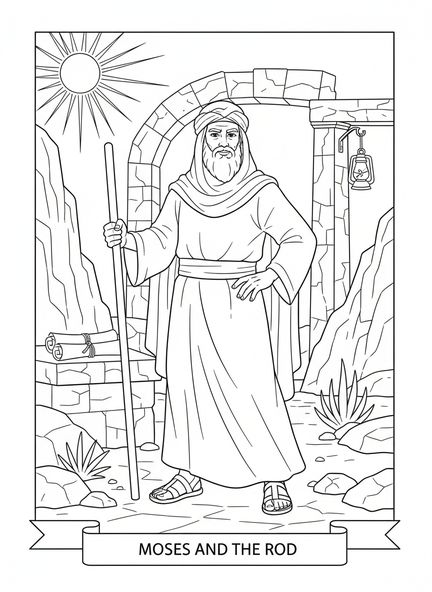
Moses' Rod Snake Coloring Page Sunday School
6 pages · free printable
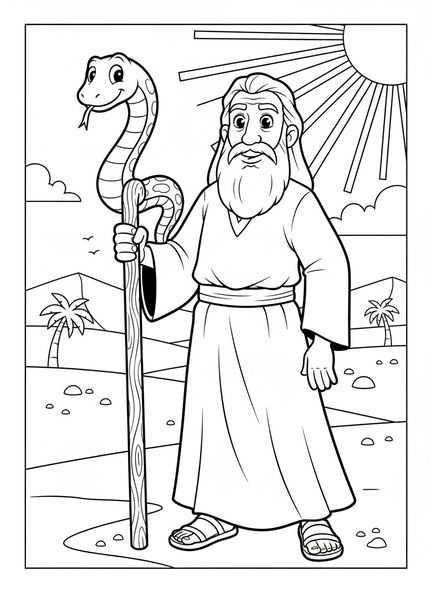
Moses' Rod Snake Coloring Page for Kids
6 pages · free printable
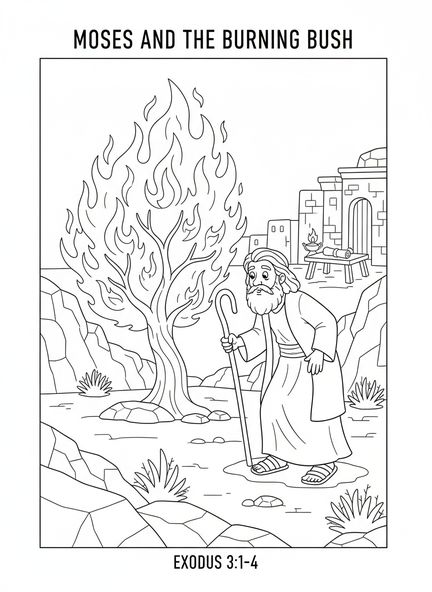
Burning Bush Flames Coloring Page for Sunday School
6 pages · free printable
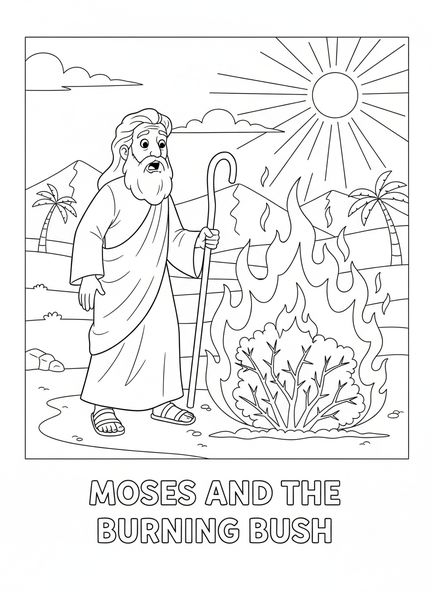
Burning Bush Flames Coloring Page for Kids
6 pages · free printable
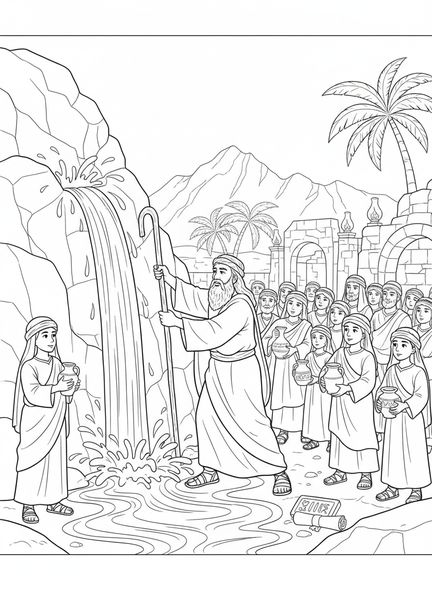
Moses Water From Rock Coloring Page for Sunday School
6 pages · free printable
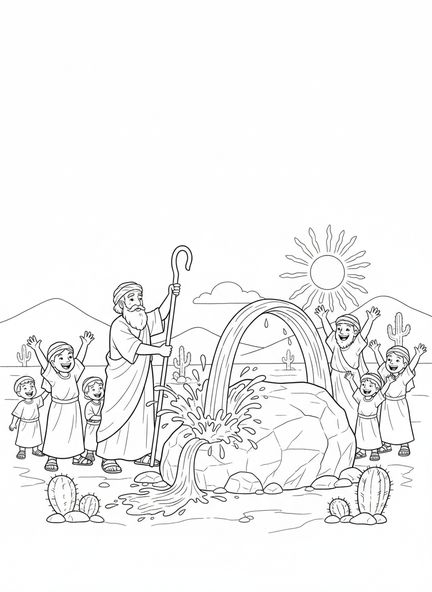
Moses Water From Rock Coloring Page for Kids
6 pages · free printable
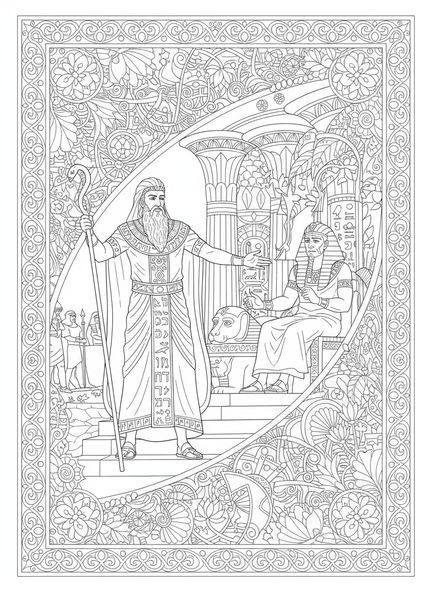
Moses' Ten Plagues Coloring Page for Adults
6 pages · free printable
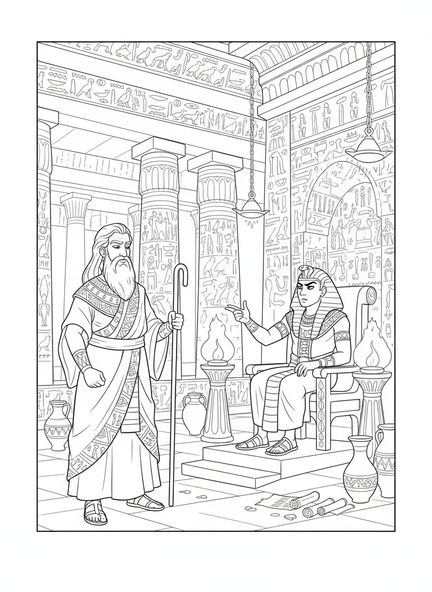
Moses' Ten Plagues Coloring Page for Sunday School
6 pages · free printable
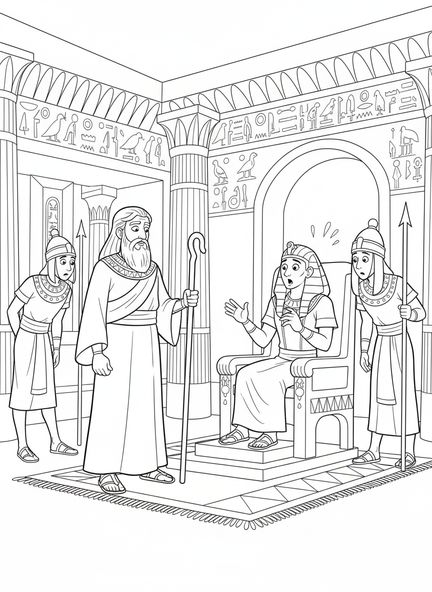
Moses' Ten Plagues Coloring Page for Kids
6 pages · free printable
Moses Red Sea Coloring Page for Adults
6 pages · free printable
Moses Red Sea Coloring Page for Preschoolers
6 pages · free printable
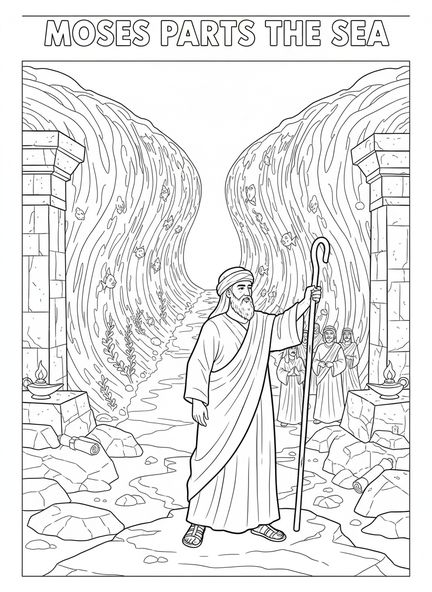
Moses Red Sea Coloring Page for Sunday School
6 pages · free printable
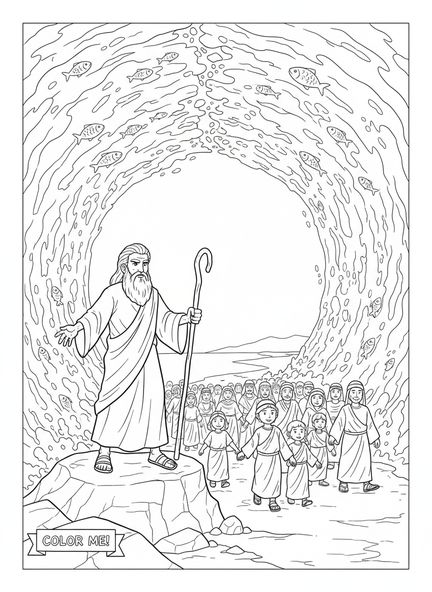
Moses' Red Sea Coloring Page for Kids
6 pages · free printable
Exodus 14 14 Coloring Page for Adults
6 pages · free printable
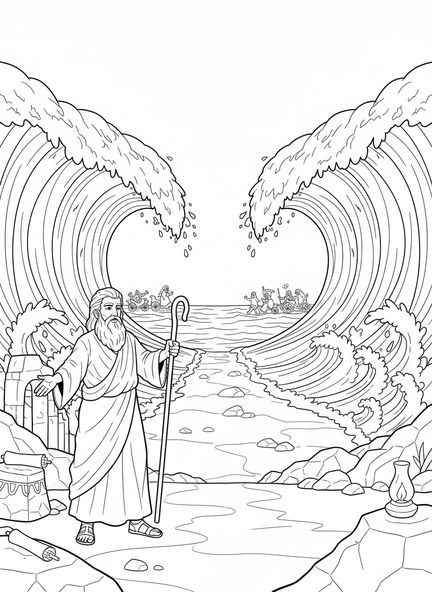
Exodus 14 14 Coloring Page Sunday School
6 pages · free printable
Moses And Aaron Coloring Page for Adults
6 pages · free printable
Moses And Aaron Coloring Page Sunday School
6 pages · free printable
Moses And Aaron Coloring Page for Kids
5 pages · free printable
Moses' Staff Coloring Page for Preschoolers
4 pages · free printable
Moses' Staff Coloring Page Sunday School
6 pages · free printable
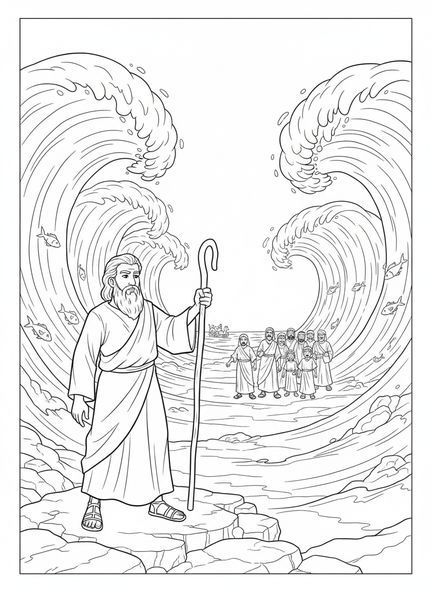
Moses' Staff Coloring Page for Kids
6 pages · free printable
Ten Commandments List Coloring Page for Adults
5 pages · free printable
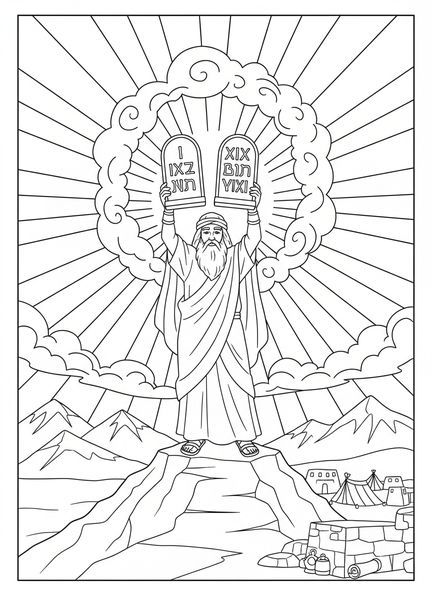
Ten Commandments List Coloring Page Sunday School
6 pages · free printable
Ten Commandments List Coloring Page for Kids
6 pages · free printable
Moses With Tablets Coloring Page for Adults
6 pages · free printable
Moses With Tablets Coloring Page Sunday School
6 pages · free printable
Moses With Tablets Coloring Page for Kids
5 pages · free printable
Moses Burning Bush Coloring Page for Adults
4 pages · free printable
Moses Burning Bush Coloring Page for Preschoolers
6 pages · free printable
Moses Burning Bush Coloring Page for Sunday School
3 pages · free printable
Moses Burning Bush Coloring Page for Kids
6 pages · free printable
Ten Commandments Tablets Coloring Page for Sunday School
4 pages · free printable
Ten Commandments People Receiving Law Coloring Page for Preschoolers
6 pages · free printable

Ten Commandments Golden Calf Idol Coloring Page for Preschoolers
3 pages · free printable
Ten Commandments Moses Holding Tablets Coloring Page for Preschoolers
5 pages · free printable
Ten Commandments Mt Sinai Thunder Coloring Page for Preschoolers
6 pages · free printable
Ten Commandments Tablets Coloring Page for Adults
6 pages · free printable
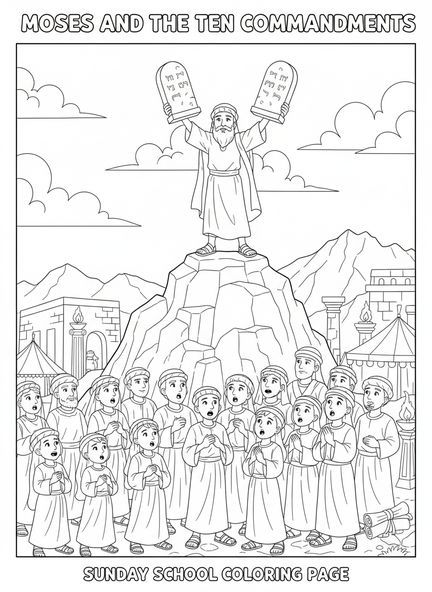
Ten Commandments People Receiving Law Coloring Page for Sunday School
4 pages · free printable
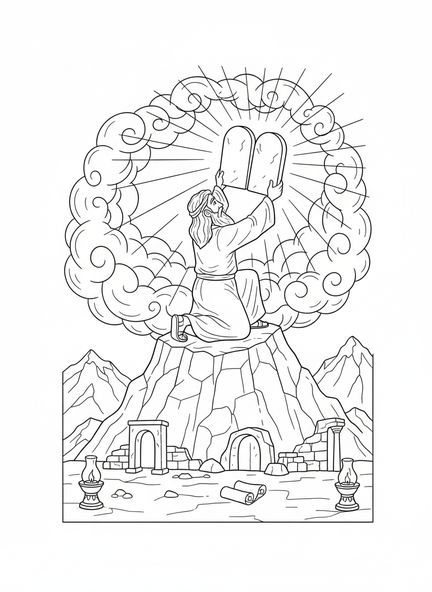
Ten Commandments Golden Calf Idol Coloring Page for Sunday School
5 pages · free printable
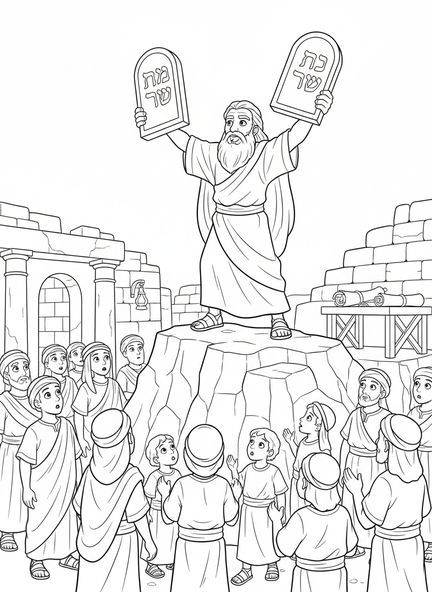
Ten Commandments Moses Holding Tablets Coloring Page for Sunday School
3 pages · free printable
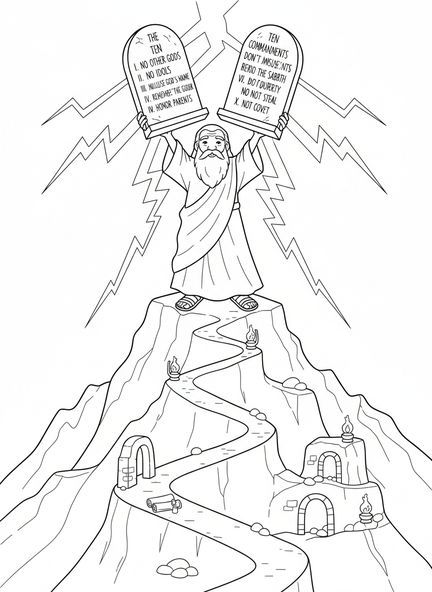
Ten Commandments Mt Sinai Thunder Coloring Page for Sunday School
5 pages · free printable
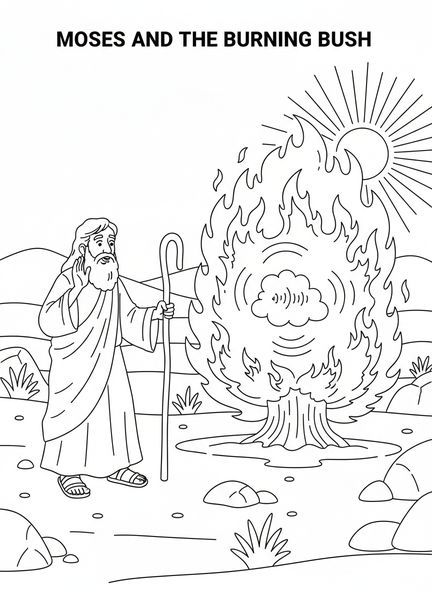
Burning Bush Voice Of God From Bush Coloring Page for Kids
5 pages · free printable
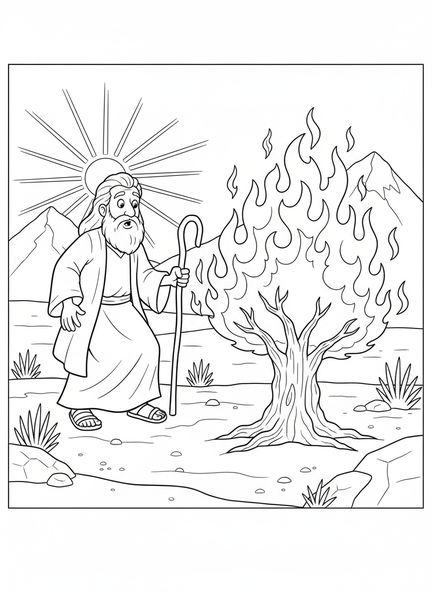
Burning Bush Moses Takes Sandals Off Coloring Page for Kids
4 pages · free printable
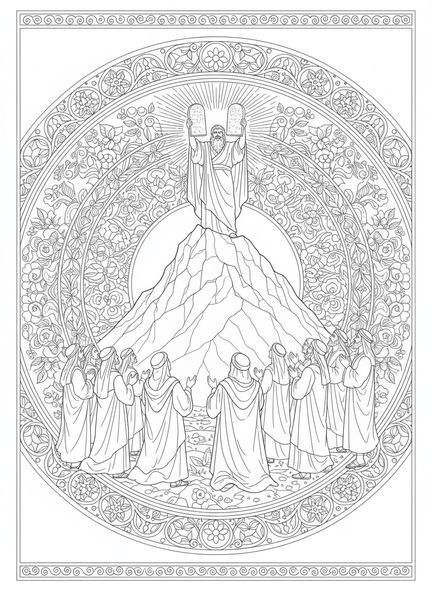
Ten Commandments People Receiving Law Coloring Page for Adults
4 pages · free printable
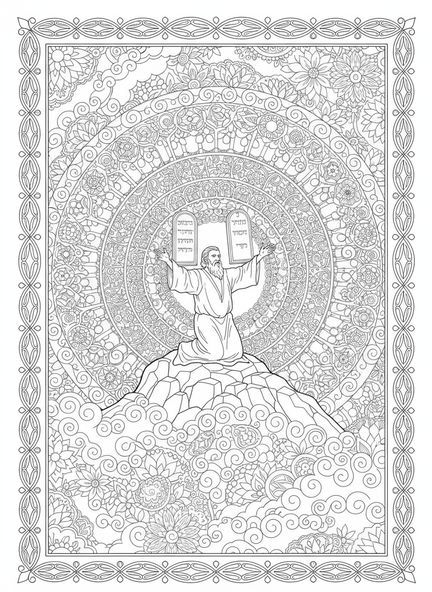
Ten Commandments Golden Calf Idol Coloring Page for Adults
5 pages · free printable
Ten Commandments Moses Holding Tablets Coloring Page for Adults
5 pages · free printable
Ten Commandments Mt Sinai Thunder Coloring Page for Adults
6 pages · free printable
Burning Bush Coloring Page for Toddlers
5 pages · free printable
Baby Moses Miriam Watching Coloring Page for Kids
6 pages · free printable
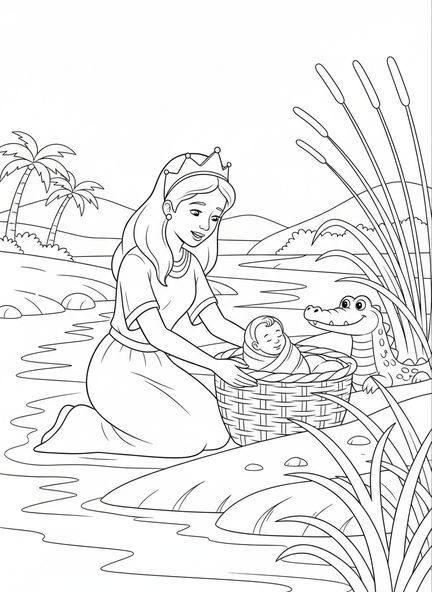
Baby Moses Princess Finds Basket Coloring Page for Kids
5 pages · free printable
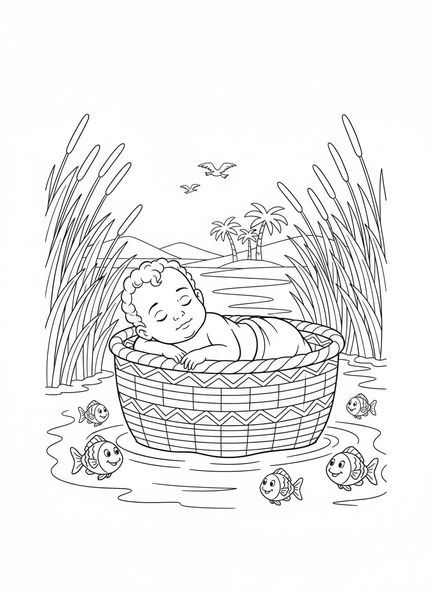
Baby Moses Basket In Nile Coloring Page for Kids
5 pages · free printable

Baby Moses Coloring Page for Toddlers
4 pages · free printable
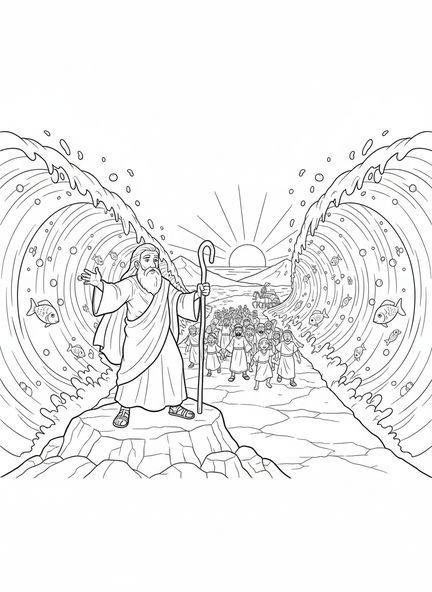
Moses Parting The Red Sea Pharaohs Army Drowning Coloring Page for Kids
6 pages · free printable
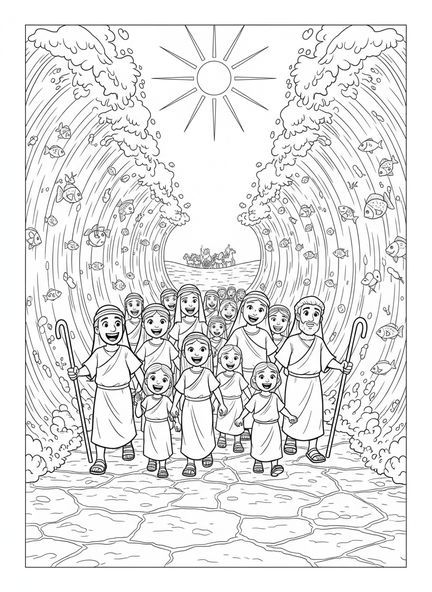
Moses Parting The Red Sea Israelites Crossing Coloring Page for Kids
4 pages · free printable
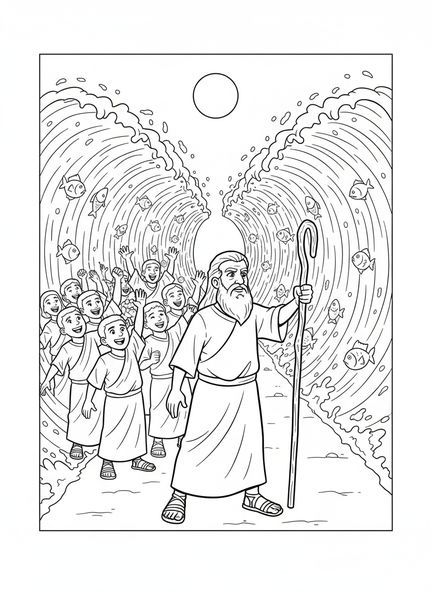
Moses Parting The Red Sea Parting The Waters Coloring Page for Kids
6 pages · free printable
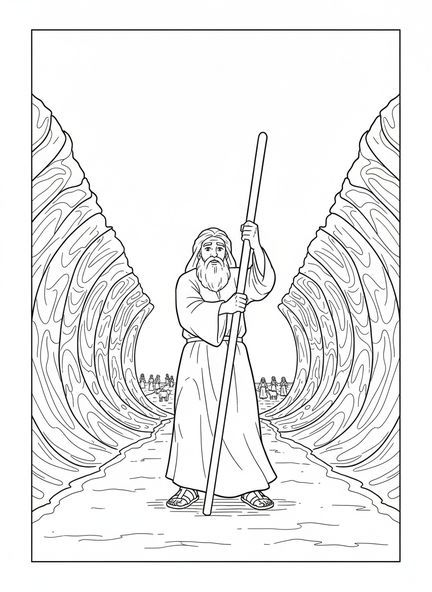
Moses Parting The Red Sea Pillar Of Fire Cloud Coloring Page for Kids
3 pages · free printable
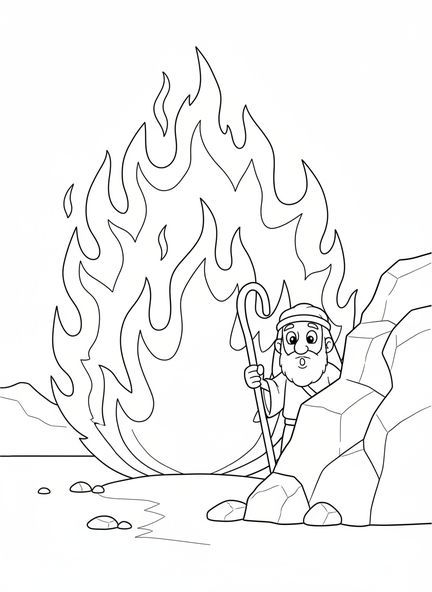
Burning Bush Coloring Page for Kids
4 pages · free printable
Moses Parting the Red Sea Coloring Page for Toddlers
5 pages · free printable
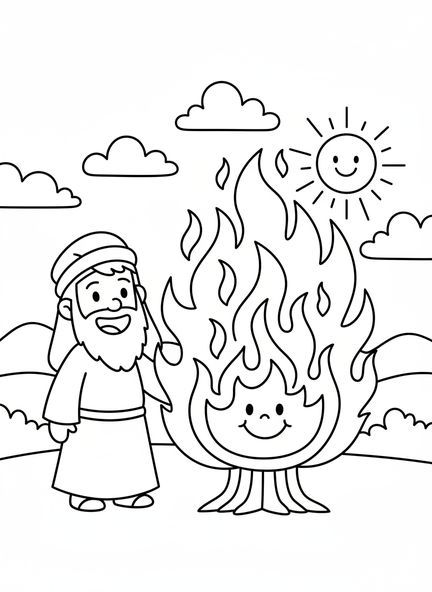
Burning Bush Coloring Page for Preschoolers
6 pages · free printable
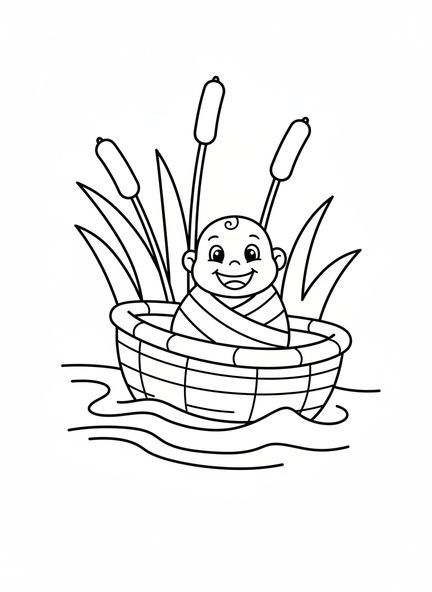
Baby Moses Coloring Page for Preschoolers
4 pages · free printable
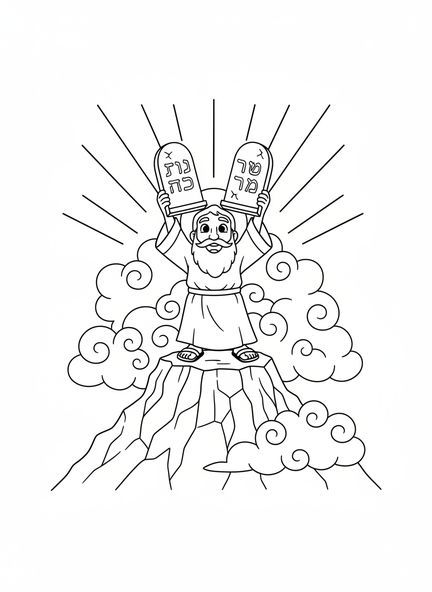
Ten Commandments Tablets Coloring Page for Kids
6 pages · free printable
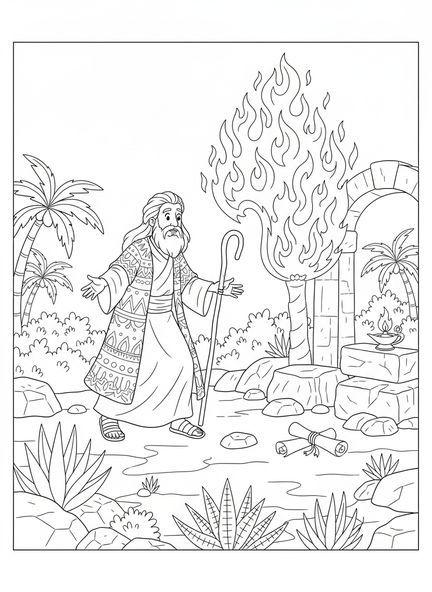
Burning Bush Coloring Page for Sunday School
6 pages · free printable
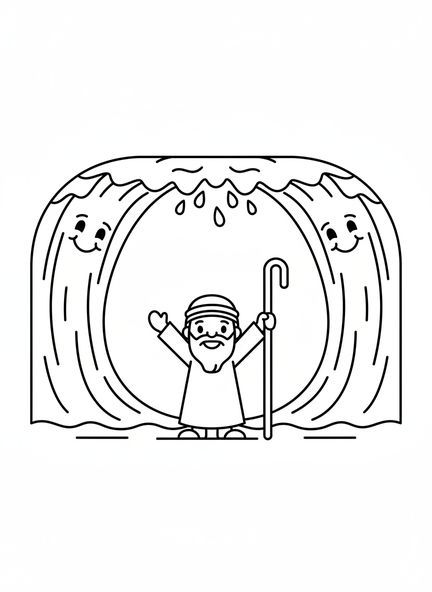
Moses Parting The Red Sea Coloring Page for Preschoolers
3 pages · free printable
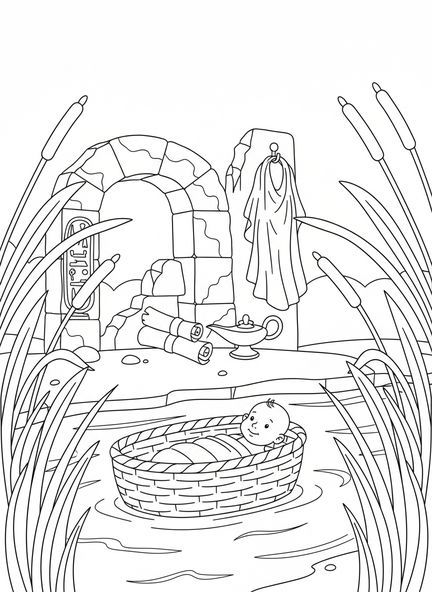
Baby Moses Coloring Page for Sunday School
5 pages · free printable
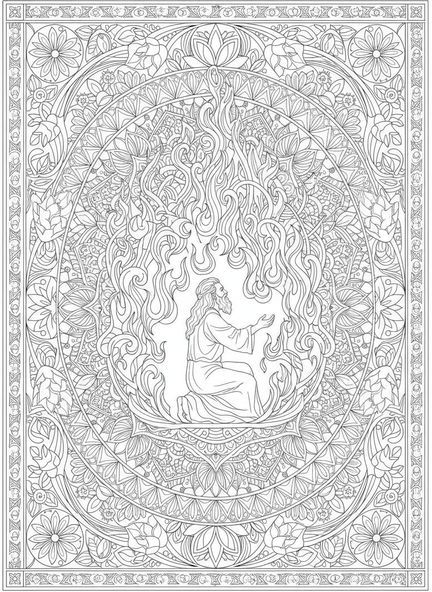
Burning Bush Coloring Page for Adults
6 pages · free printable
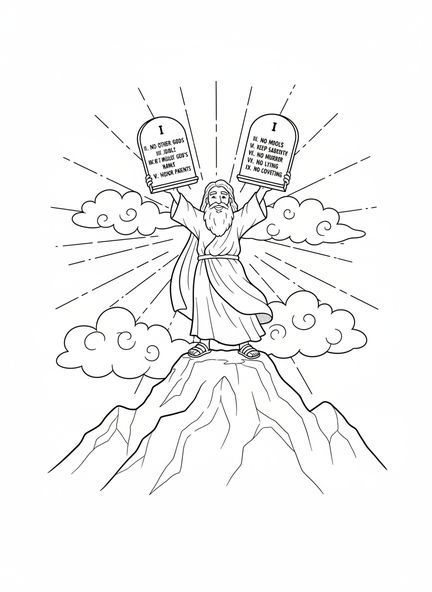
Ten Commandments People Receiving Law Coloring Page for Kids
6 pages · free printable
Ten Commandments Golden Calf Idol Coloring Page for Kids
6 pages · free printable
Ten Commandments Moses Holding Tablets Coloring Page for Kids
6 pages · free printable
Ten Commandments Mt Sinai Thunder Coloring Page for Kids
6 pages · free printable
Ten Commandments Coloring Page for Toddlers
6 pages · free printable
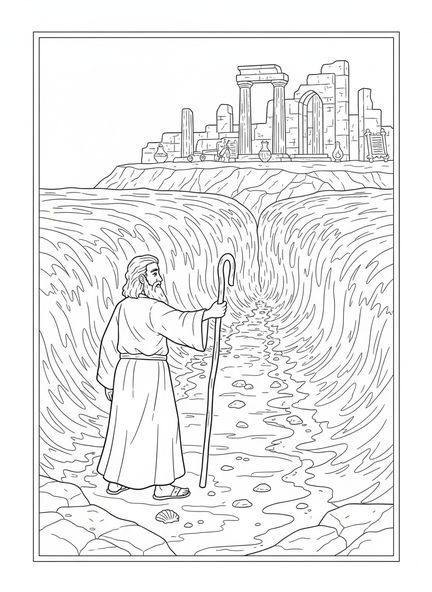
Moses Parting the Red Sea Coloring Page for Sunday School
6 pages · free printable
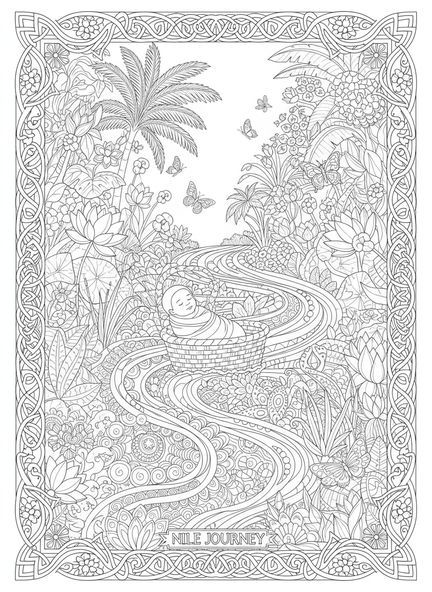
Baby Moses Coloring Page for Adults
6 pages · free printable
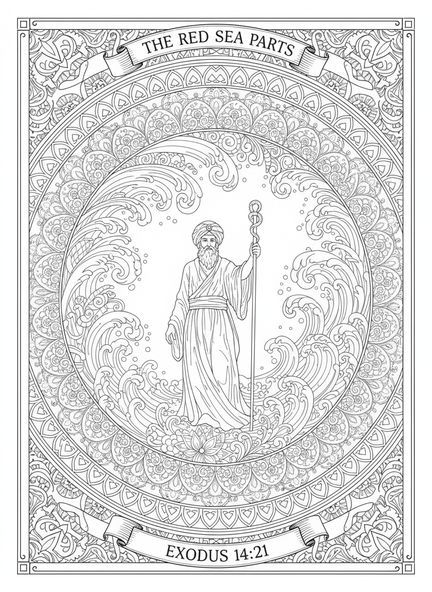
Moses Parting The Red Sea Coloring Page For Adults
6 pages · free printable
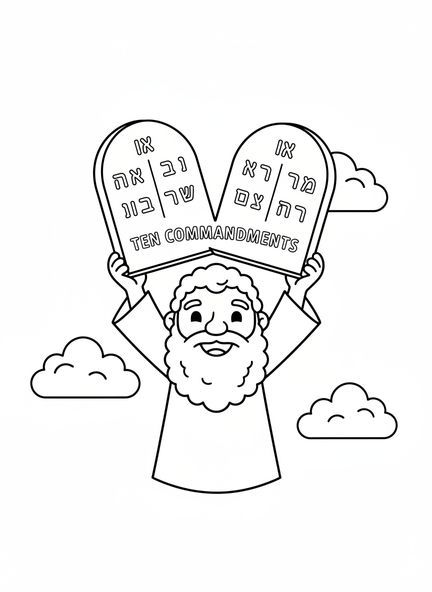
Ten Commandments Coloring Page for Preschoolers
6 pages · free printable
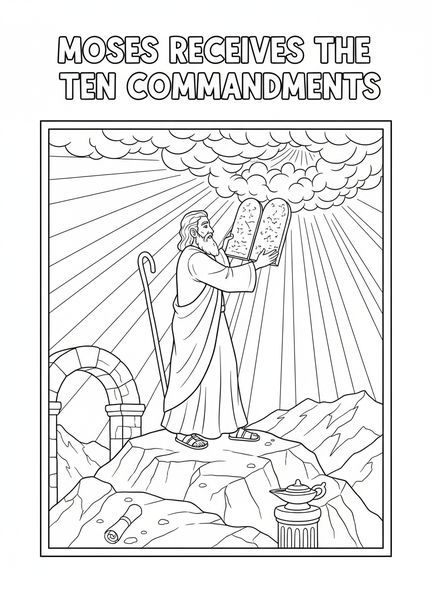
Ten Commandments Coloring Page for Sunday School
6 pages · free printable
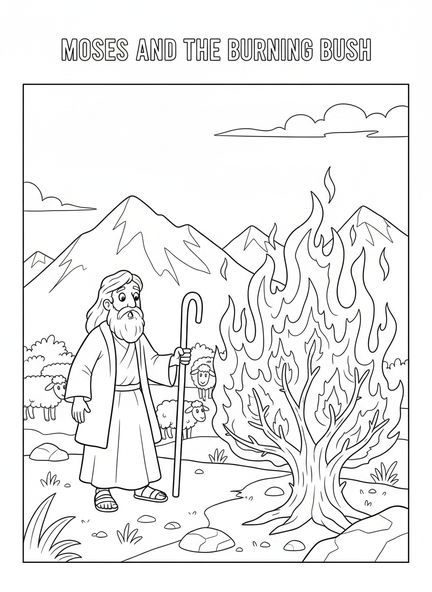
Burning Bush Coloring Page for Kids
6 pages · free printable
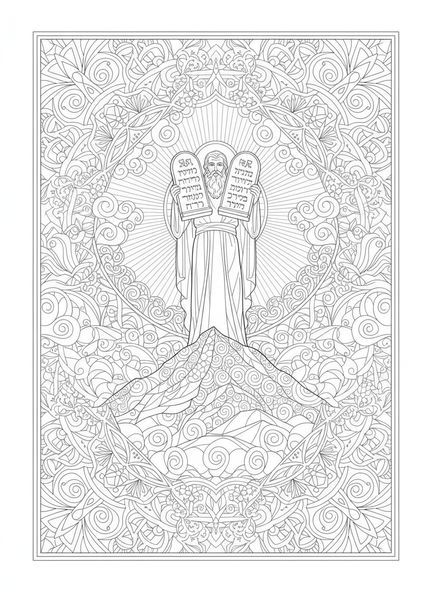
Ten Commandments Coloring Page for Adults
6 pages · free printable
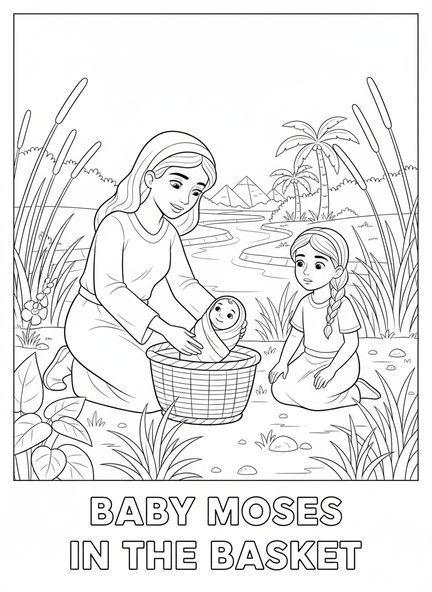
Baby Moses Coloring Page for Kids
6 pages · free printable
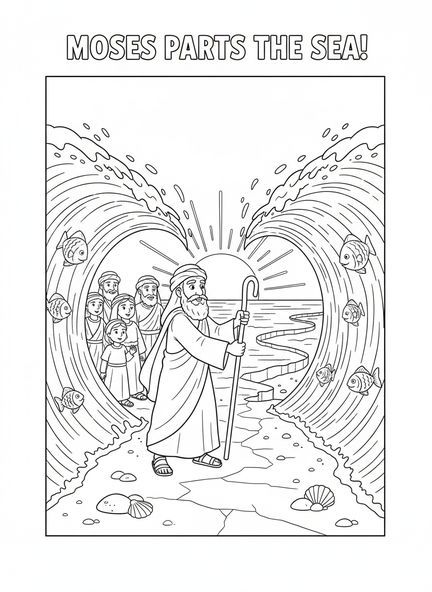
Moses Parting the Red Sea Coloring Page for Kids
6 pages · free printable
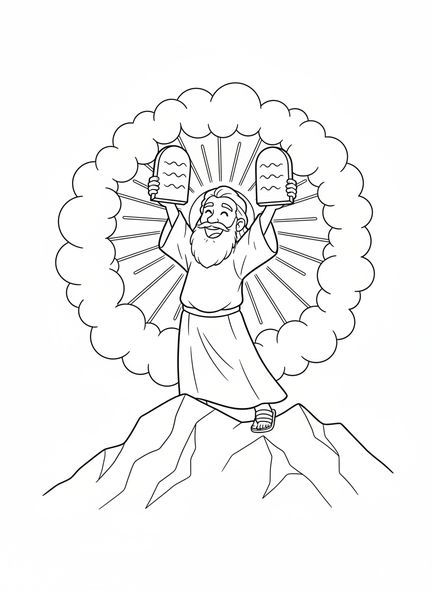
Ten Commandments Coloring Page for Kids
6 pages · free printable
Frequently Asked Questions
Are these Bible coloring pages really free?+
Yes — every Bible coloring page on this site is completely free to download, print, and use for personal, classroom, homeschool, and church purposes. No subscription, no email signup, no watermarks.
What format do I download?+
Each coloring page is available as a high-resolution PNG (2000×2000 pixels, A4 print-ready) and viewable on the page as a WebP image. Click the Download button to save the PNG to your device, or use the Print button to print directly from your browser.
Can I use these coloring pages in my church or Sunday school?+
Absolutely. Our free license permits classroom, Sunday school, VBS, and church-bulletin use, including making multiple copies for your students. The only restriction is that you may not resell or include them in a paid product.
Which age groups are these pages for?+
We offer variants for toddlers (ages 2–4), preschool (3–5), kindergarten (5–6), elementary kids (6–10), teens (11–17), and adults. Each leaf page is clearly labeled for an age range, with simpler or more detailed line art accordingly.
How often do you add new coloring pages?+
We publish new Bible coloring pages weekly, with seasonal collections (Christmas, Easter, VBS) refreshed every year before the holiday season. Subscribe to our newsletter to get new pages first.
Moses coloring pages — the prophet who led Israel out of Egypt
Moses is the central figure of the Pentateuch (Genesis through Deuteronomy), the prophet who led Israel out of Egyptian slavery, received the Law at Sinai, and shepherded the people through forty years in the wilderness. His story arc — from basket-in-the-river infant to staff-wielding deliverer to mountain-top lawgiver — is one of the most dramatic in scripture, and one Sunday school teachers return to year after year.
This Moses section holds every page on the site depicting Moses, from infancy through his death overlooking the Promised Land.
The major Moses scenes
Infancy
- Baby Moses in the basket (Exodus 2:1-10) — the river, the bulrushes, Pharaoh's daughter
- Moses raised in Pharaoh's palace (Exodus 2:10) — Egyptian setting, royal upbringing
Flight and call
- Moses flees Egypt (Exodus 2:11-15) — the killing of the Egyptian, the flight to Midian
- Moses at the well in Midian (Exodus 2:15-22) — meeting Zipporah's family
- The burning bush (Exodus 3) — the most-illustrated Moses scene, "I AM WHO I AM"
- Moses returns to Egypt (Exodus 4:18-31) — staff in hand
Confrontation with Pharaoh and the Exodus
- The ten plagues (Exodus 7-12) — blood, frogs, gnats, flies, livestock, boils, hail, locusts, darkness, firstborn
- The Passover (Exodus 12) — the lamb's blood on the doorposts
- The Exodus (Exodus 12:31-42) — Israel leaving Egypt by night
- Crossing the Red Sea (Exodus 14) — the most dramatic Moses scene — water parted, Egyptians drowned
Wilderness and Sinai
- Manna from heaven (Exodus 16) — the daily provision
- Water from the rock (Exodus 17) — Moses striking the rock
- The battle with Amalek (Exodus 17:8-16) — Moses' raised arms
- Mount Sinai and the Ten Commandments (Exodus 19-20) — the most iconic legal moment in scripture
- The golden calf (Exodus 32) — the people's idolatry, Moses breaking the tablets
- The Tabernacle (Exodus 25-31, 35-40) — the portable sanctuary
Forty years in the wilderness
- The twelve spies (Numbers 13-14) — ten faithless, two faithful (Joshua and Caleb)
- The bronze serpent (Numbers 21:4-9) — looking and living
- Balaam's donkey (Numbers 22) — the speaking donkey
Death and succession
- Moses' view of the Promised Land (Deuteronomy 34) — atop Mt. Nebo
- Joshua's commissioning (Deuteronomy 31:1-8, Joshua 1) — the succession
Why Moses works for Sunday school
After teaching Moses' story to multiple cohorts of 5–10 year-olds, three observations:
1. The narrative arc is gripping
Birth in danger, miraculous escape, growing up royal, fleeing for his life, called by God, returning to confront the world's most powerful king, leading slaves to freedom through impossible odds — this is the most dramatic story in scripture outside the Passion. Kids stay engaged.
2. The visual scenes are iconic
Every Moses scene has a strong central image: the basket, the burning bush, the Red Sea parting, Mt. Sinai with the tablets. These are the scenes Renaissance painters returned to repeatedly, and they work for Sunday school kids for the same reason — they're visually distinctive and memorable.
3. The character is morally complex
Moses isn't perfect. He kills an Egyptian in anger. He breaks the tablets. He's told he won't enter the Promised Land because of his disobedience at Meribah. This complexity is teachable — Moses is faithful but flawed, just like the kids learning his story.
Sunday school workflow for Moses
A 6-week Moses unit:
Week 1 — Baby Moses
- Read Exodus 1-2
- Color the basket scene
- Discussion: "Moses' mother trusted God with her baby. What do we trust God with?"
Week 2 — The burning bush
- Read Exodus 3
- Color the burning bush
- Discussion: "Moses heard God call his name. How does God call us?"
Week 3 — The plagues and Passover
- Read Exodus 11-12 (selected verses, age-appropriate)
- Color the Passover scene
- Discussion: "Why was the lamb's blood important? Who is the Passover Lamb today?"
- Connection: This is the pre-figuration of Christ as our Passover
Week 4 — Red Sea crossing
- Read Exodus 14
- Color the Red Sea parting
- Discussion: "When have you faced something that seemed impossible?"
Week 5 — The Ten Commandments
- Read Exodus 19-20
- Color the Sinai scene
- Discussion: "Why did God give Israel the Ten Commandments?"
Week 6 — Wilderness wanderings and the Promised Land
- Read Numbers 13-14 and Deuteronomy 34
- Color the spies, the bronze serpent, and the view of the Promised Land
- Discussion: "The Israelites had to wait 40 years. When have you had to wait for something?"
This 6-week Moses unit gives kids substantive engagement with the Pentateuch's central figure.
Editorial standards for Moses content
Standard editorial policy applies. Three Moses-specific notes:
Iconographic conventions
Moses is depicted with consistent conventions:
- Beard (long, often white in older-age scenes)
- Staff (the rod of God, central in Exodus 4 onwards)
- The Ten Commandment tablets (two stone tablets in Sinai scenes onward)
- Earth-tone robes (browns, beiges — consistent with desert wilderness setting)
Cultural and historical accuracy
The Egyptian setting in the early Moses narratives is depicted with appropriate first-millennium-BC Egyptian visual cues — pyramids in the background, Egyptian-style clothing for Pharaoh, the geography of the Nile delta. The wilderness setting is depicted with appropriate desert and Sinai mountain visuals.
Theological framing
Moses is treated as the central Old Testament prophet, the one to whom God spoke "face to face" (Exodus 33:11, Deuteronomy 34:10). In the New Testament, Jesus is shown as the prophet "like Moses" (Acts 3:22), the new Moses who leads us out of the slavery of sin. Adult companion notes draw out these typological connections.
Catholic vs Protestant emphasis on Moses
Both traditions affirm Moses' centrality, but with different emphases:
- Catholic: Moses as type of Christ; the Ten Commandments as foundational moral law (the Decalogue); the Passover as type of the Eucharist
- Protestant: Moses as covenant mediator (Old Covenant contrast with the New Covenant of Christ); the Law-Gospel distinction; the Mosaic Law as preparation for the gospel
We publish content useful across both emphases.
What's coming next for Moses content
Publishing priorities:
- The full Pentateuch overview — Genesis through Deuteronomy with Moses as the unifying figure
- The plagues series — one page per plague, for kids 8+
- The Tabernacle detailed — diagrammatic illustration of the portable sanctuary
- Moses' songs and prayers — the Song of the Sea (Exodus 15), Moses' blessing (Deuteronomy 33)
- Moses in the Transfiguration — connecting Moses to Jesus' Transfiguration
If you're teaching a Moses unit, email us with specific requests.
Related Bible characters and themes
- All Bible characters — Old and New Testament figures
- Abraham — the patriarch who came before Moses
- David — the king who came after Moses
- Old Testament hub — Pentateuch + the Prophets
- Sunday school coloring pages — Moses curriculum templates
- Bible coloring pages for kids — age-tier Moses content
— Sarah Mitchell, Christian Education Editor